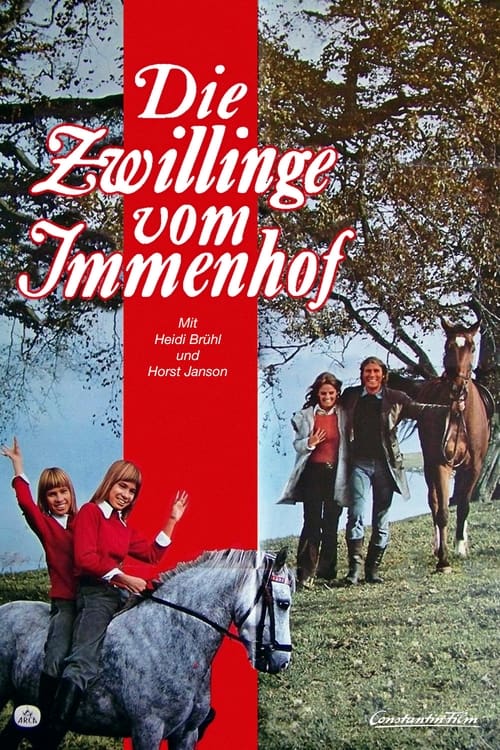
The Twins from Immenhof
1973
No user ratings available yet
Representation score: 2.0 out of 10
Representation Score
Minimal
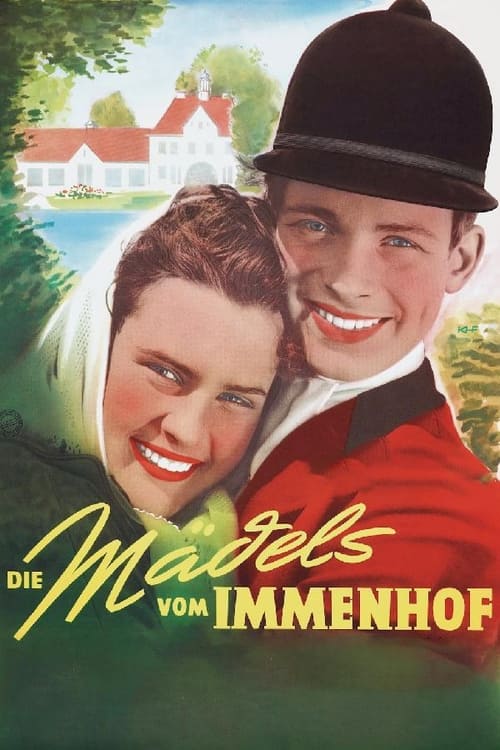
1955
Director
Wolfgang Schleif
Runtime
91 minutes
Average Rating
No ratings yetNew Showbiz Analysis
Die Mädels vom Immenhof is a quintessential example of the mid-century Heimatfilm, prioritizing escapism and regional stability over social disruption. The narrative structure reinforces established hierarchies rather than challenging them. The film centers on female protagonists, but their roles are primarily defined by domestic and romantic interests. Traditional concerns like land ownership and familial preservation maintain a conventional social order. The film's perspective is ethnically and culturally singular, lacking racial pluralism and characters who reflect more than one aspect of diversity. It focuses on a homogeneous, pastoral ideal reflecting the era's emphasis on traditional Western values.
Category Breakdown
The film does not include any representation of LGBTQ+ identities or subtext. The interpersonal dynamics align with the heterosexual relationships expected in 1950s West German society.
Female characters play key roles in the domestic plot, but their influence is often tied to romantic pursuits and family preservation. The narrative upholds a patriarchal social structure.
The casting reflects a homogeneous population typical of rural Northern Germany. There are no non-white characters or racial diversity in the cast.
The story emphasizes traditional agrarian values and the sanctity of the family unit. It celebrates existing social fabrics through a lens of pastoral idealism.
There is no visible or invisible disability representation. Characters are depicted as physically vital, fitting the era's healthy, pastoral aesthetic.
Present on Screen
Limited or Absent
Official Synopsis
Granny Jantzen lives with her three granddaughters Dick, Dalli and Angela on the small pony farm Immenhof in Northern Germany. Since the breeding of ponies isn′t profitable anymore, Granny Jantzen is struggling to keep the family property. During the summer break , young Ethelbert is spending his holiday with his cousins at Immenhof. While Angela has fallen in love with the wealthy land owner Jochen von Roth, Dick and Dalli have to put up with bigheaded urbanite Ethelbert.
1973
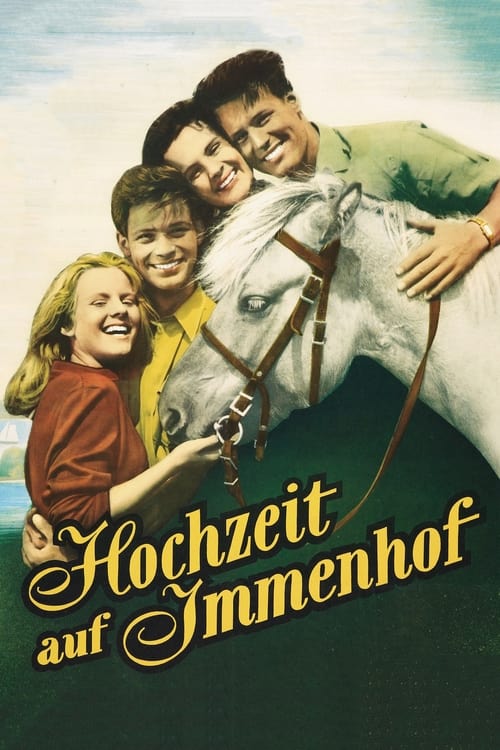
1956
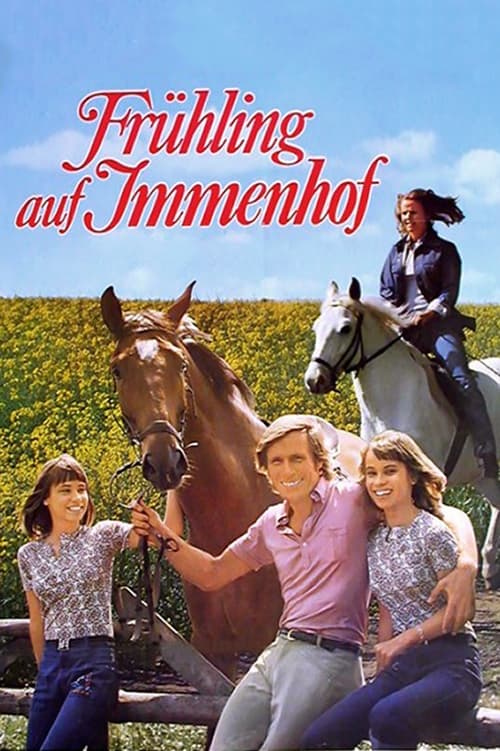
1974
2011
1957

2019

1955
1955
No reviews yet. Be the first to share your thoughts on this movie!
Use the rating form above to leave a star rating and optional review.