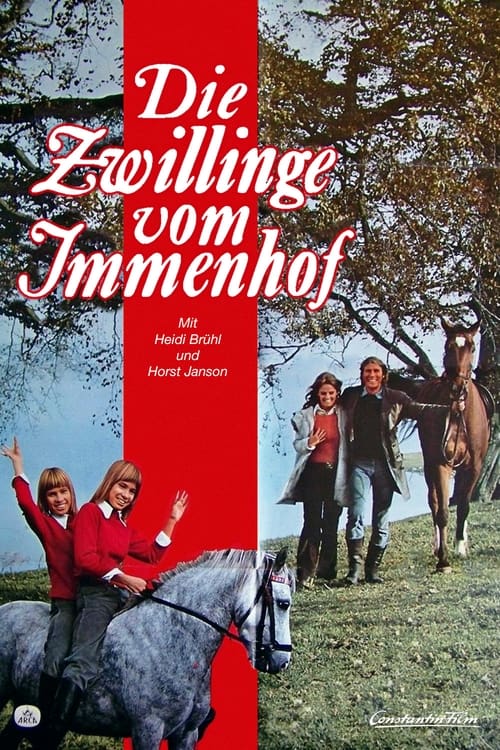
The Twins from Immenhof
1973
No user ratings available yet
Diversity score: 2.9 out of 10
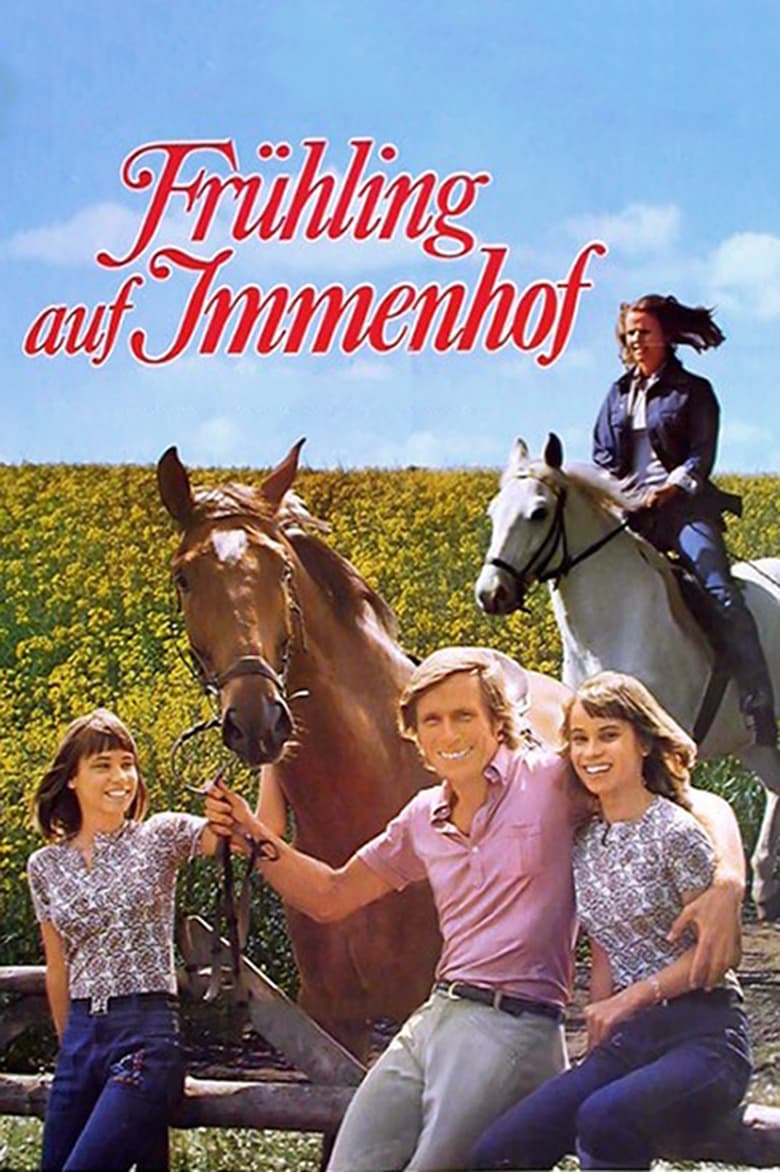
1974
Director
Wolfgang Schleif
Runtime
93 minutes
Average Rating
No ratings yetSynopsis
There is a lot of sunshine on the traditional Immenhof: owner Dalli and tenant Alexander Arkens want to give the javascript soon. Even Alexander's twin daughters Billy and Bobby and grandma Arkens have the sympathetic Dalli closed in her heart. But while the witty twins enjoy country life, the Immenhof is once again in financial trouble. A loan, which is due to be repaid, is a big concern for Dalli and Alexander. While Dalli wants to ask for help at her former job, Alexander wants to come to money on his own. This is the big noise preprogrammed.
Overall Score
Limited
Category Breakdown
LGBTQ+ Representation
The film lacks any evidence of non-cisnormative identities. The central relationship between Dalli and Alexander follows traditional romantic structures typical of the family drama genre.
Gender Representation
Dalli provides central female agency as the estate owner facing financial ruin. However, the plot reinforces traditional hierarchies, with Alexander pursuing independent masculine solutions to their debt.
Racial & Ethnic Diversity
The setting reflects a homogeneous European social environment. There is no indication of a multi-ethnic cast, focusing instead on the demographic realities of 1970s rural Germany.
Religious & Cultural Diversity
The story centers on preserving a traditional homestead and family unit. It reinforces Western values of land ownership and familial resilience rather than critiquing established social institutions.
Disability Representation
There are no visible or invisible disabilities portrayed. No characters are identified as having physical impairments or neurodivergent traits that influence the narrative.
Strengths
Areas for Improvement
AI Analysis
Frühling auf Immenhof is a conventional family drama that prioritizes traditionalist narrative structures. It focuses on the preservation of a homestead and the stability of the family unit against financial hardship. The film adheres to the social and domestic hierarchies of its era. While female characters like Dalli hold central roles, the problem-solving dynamics often revert to traditional gendered divisions of labor. Ultimately, the work lacks intersectional complexity. It functions as a period-specific reflection of rural German life, reinforcing established cultural norms rather than challenging them.
1973
1945
2012
1963
1994

1964

2008
2012
1969
2006
1969
1988
No reviews yet. Be the first to share your thoughts on this movie!
Use the rating form above to leave a star rating and optional review.