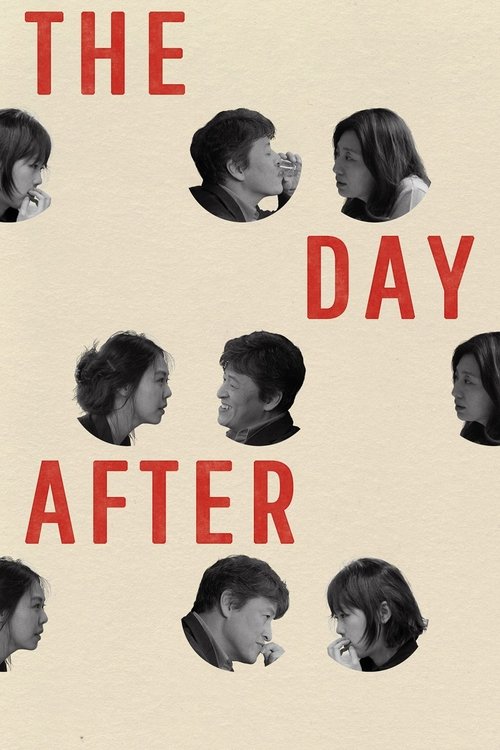
The Day After
2017
No user ratings available yet
Diversity score: 4.5 out of 10

2010
Director
Radu Muntean
Runtime
99 minutes
Average Rating
No ratings yetSynopsis
Paul Hanganu loves two women. Adriana his wife and the mother of their daughter, the woman with whom he's shared the thrills of the past ten years, and Raluca the woman who has made him redefine himself. He has to leave one of them before Christmas.
Overall Score
Fair
Category Breakdown
LGBTQ+ Representation
The film centers on a romantic conflict between a man and two women. It operates within a traditional heteronormative framework without exploring non-cisnormative identities.
Gender Representation
Women serve as the emotional catalysts for the protagonist's crisis, yet the broader narrative environment remains heavily male-centric. Depictions of women often lean toward traditional relational tropes.
Racial & Ethnic Diversity
As a localized Romanian production, the film features a largely homogeneous cast. It reflects the specific demographic reality of its setting rather than utilizing diverse ethnic blending.
Religious & Cultural Diversity
The narrative excels by emphasizing moral relativism and the ambiguity of truth. It challenges absolute institutional certainty through a sophisticated, postmodern approach to human ethics.
Disability Representation
There are no prominent depictions of visible or invisible disabilities within the narrative.
Strengths
Areas for Improvement
AI Analysis
Radu Muntean’s drama is a psychological study of subjectivity rather than a showcase for demographic inclusivity. The film's primary strength is its intellectual deconstruction of morality and truth, offering a sophisticated view of human ethics through its postmodern storytelling. However, the film remains anchored in traditional social structures. The narrative relies on heteronormative romantic entanglements and a homogeneous cast that reflects a specific regional demographic without seeking to challenge the status quo. Ultimately, the work prioritizes atmospheric realism and existential ambiguity over intersectional representation. While culturally nuanced in its treatment of truth, it lacks breadth in gender and racial diversity.
2017

2015

2024
2000

2003

2010

2008

2012

2013

2004
2013

2003
No reviews yet. Be the first to share your thoughts on this movie!
Use the rating form above to leave a star rating and optional review.