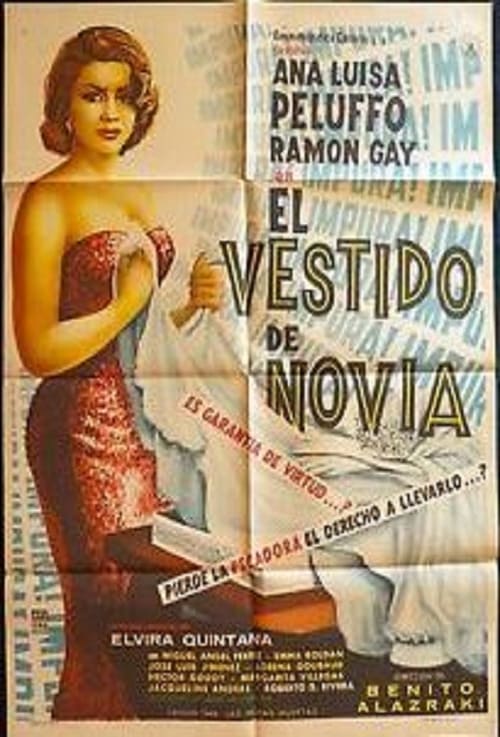
El vestido de novia
1959
No user ratings available yet
Diversity score: 2.8 out of 10
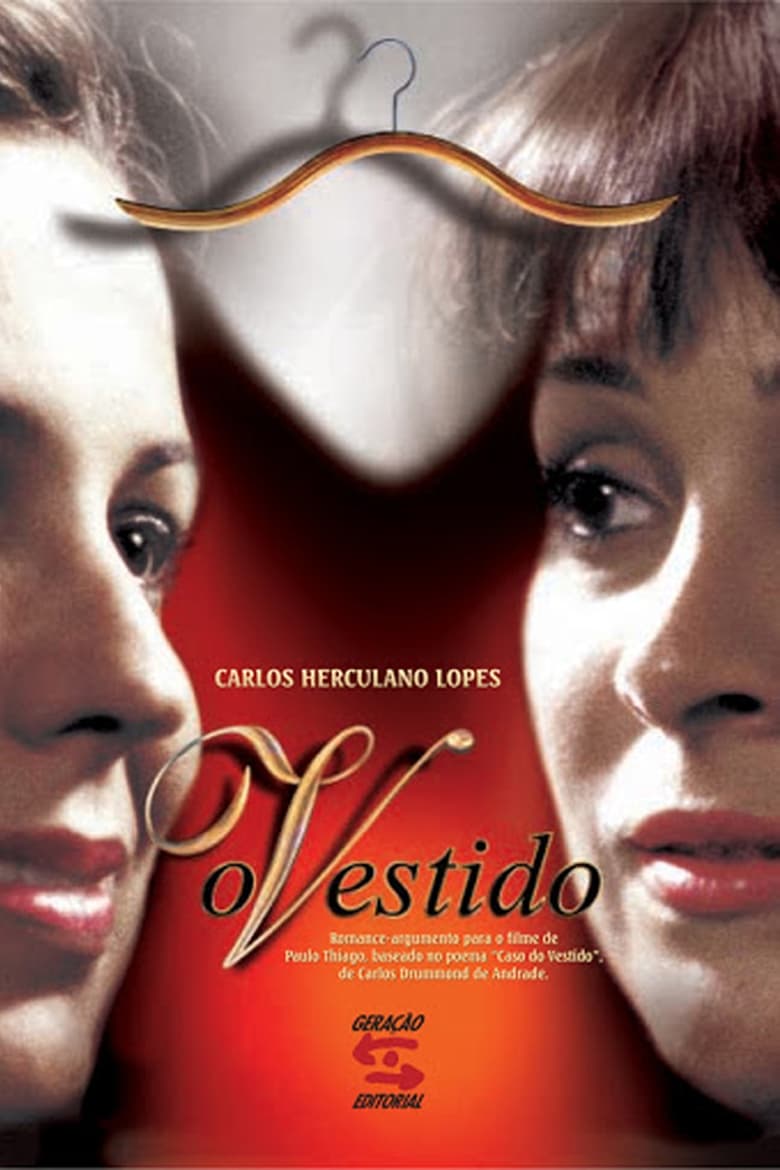
2004
Director
Paulo Thiago
Runtime
117 minutes
Average Rating
No ratings yetSynopsis
Ulisses has failed in his professional life, but leads a happy life with his wife Ângela and their two daughters. Until the day he is introduced to Bárbara, a very beautiful woman living in Rio de Janeiro. Ângela becomes her friend and gives her the dress Ulisses had given her. From then on, marital problems arise, and he becomes increasingly attracted to Bárbara.
Overall Score
Fair
Category Breakdown
LGBTQ+ Representation
The film focuses on a traditional heterosexual infidelity arc. There is no evidence of queer subtext or non-heteronormative identities within the narrative.
Gender Representation
Female characters drive the domestic tension, undermining the trope of the male as the sole architect of family destiny. The interactions between Ângela and Bárbara precipitate the central social shifts.
Racial & Ethnic Diversity
Set in Rio de Janeiro, the film operates within a Brazilian context implying ethnic plurality. However, there is no specific confirmation of intentional racial blending or diverse casting.
Religious & Cultural Diversity
The story deconstructs the idealized nuclear family by prioritizing individual desire over social stability. It avoids promoting the traditional family unit as an inherently positive or stable institution.
Disability Representation
The narrative contains no evidence regarding the inclusion of characters with physical or neurodivergent disabilities.
Strengths
Areas for Improvement
AI Analysis
O Vestido is a conventional romantic drama that finds its depth in the psychological dissolution of domestic norms. Rather than focusing on overt identity politics, the film examines how individual desire can fragment a stable patriarchal structure. The narrative uses the interaction between women to destabilize the male protagonist's life. This shift in agency moves the story away from traditional family stability toward a more fragmented, desire-driven existence. While the film offers a subtle critique of social structures, it lacks explicit intersectional representation. The focus remains primarily on the erosion of marital boundaries and the complexities of human desire.
1959

2004

2004

2024

2004

2014
1979

2016

2005
1995
1997

2009
No reviews yet. Be the first to share your thoughts on this movie!
Use the rating form above to leave a star rating and optional review.