The Seasons
1961
No user ratings available yet
Representation score: 4.5 out of 10
Representation Score
Minimal
1947
Director
Georges Rouquier
Runtime
91 minutes
Average Rating
No ratings yetNew Showbiz Analysis
Georges Rouquier’s documentary is a study of endurance and natural cycles rather than a vehicle for identity-based exploration. It prioritizes ethnographic authenticity and the rhythmic connection between humans and the land over social commentary. The low diversity score reflects the film's commitment to capturing a specific, traditionalist moment in history. It depicts the 1940s French countryside without attempting to disrupt or deconstruct the existing social hierarchies of that era. Ultimately, the work functions as a temporal capsule of rural life, emphasizing the primacy of nature over human institutions and modern industrial structures.
Category Breakdown
The film focuses on the cyclical labor of an agrarian family. There is no depiction of LGBTQ+ identities or same-sex intimacy within this seasonal narrative.
The film reinforces traditional mid-20th-century rural hierarchies. Men are shown through heavy manual labor and animal husbandry, while women are centered in domestic management and food preparation.
Set in the Languedoc region, the film depicts a homogeneous rural community. The lack of racial plurality reflects the specific geographic and socioeconomic constraints of the post-war French peasantry.
The film portrays a pre-industrial, subsistence-based lifestyle. While it lacks religious polemics, its focus on disciplined labor and structured family units aligns with traditionalist social frameworks.
The narrative focuses on the collective labor of the farm family. There is no evidence of characters being depicted with disabilities or using disability as a narrative device.
Present on Screen
Limited or Absent
Official Synopsis
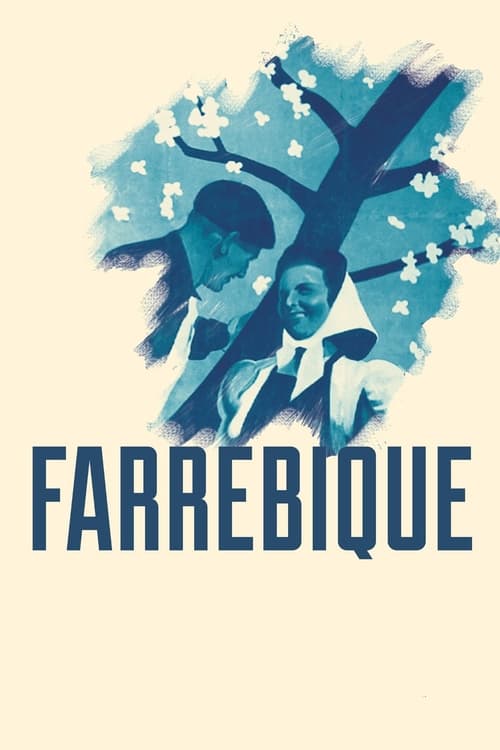
Farrebique, the first feature-length effort of French documentary filmmaker Georges Rouqier, is widely regarded as his finest film. Rouqier concentrates on a single French farm family, following them through the four seasons. As in the works of Robert Flaherty, the human characters and the land surrounding them are "one", and Rouqier never misses an opportunity to parallel their lives with the eons-old phases of nature. The final symbolic images of Spring, achieved through time-lapse photography, are almost unbearably beautiful. The winner of several festival awards, Farrebique nonetheless did not immediately result in an outpouring of financing for Rouqier's follow-up films (this was a common problem in the financially strapped French film industry of the 1940s). Perhaps as a result, Rouqier did not make his sequel, Biquefarre (filmed in the same region, with some of the same "actors"), until 1983.
1961
1929
1938

1927
1970
2013
1968
2019
No reviews yet. Be the first to share your thoughts on this movie!
Use the rating form above to leave a star rating and optional review.