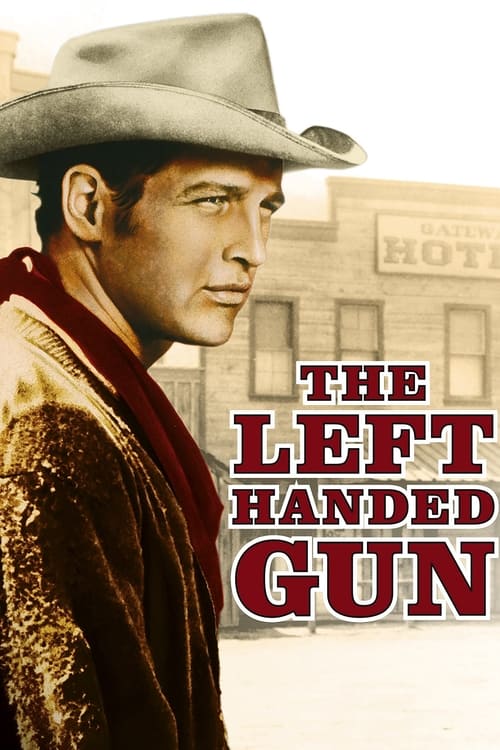
The Left Handed Gun
1958
No user ratings available yet
Representation score: 2.1 out of 10
Representation Score
Minimal
1950
ApprovedDirector
William Berke
Runtime
57 minutes
Average Rating
No ratings yetNew Showbiz Analysis
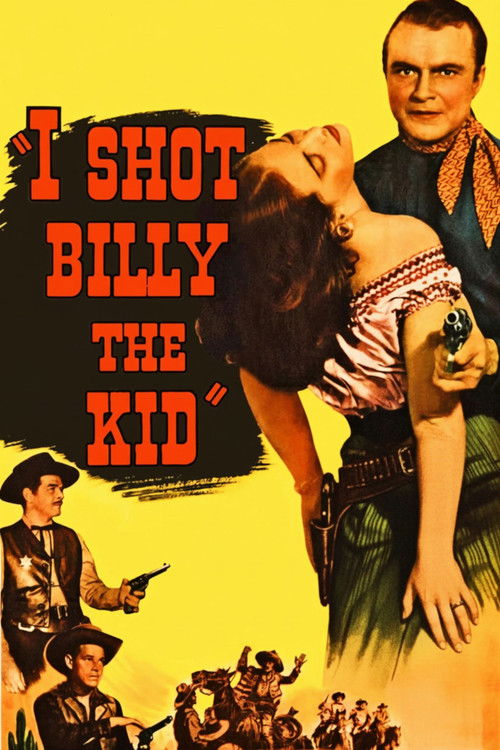
I Shot Billy the Kid is a quintessential mid-century B-Western that prioritizes genre clichés over social exploration. The film stabilizes rather than disrupts the social norms of its era, relying on a predictable hero-versus-villain structure. The narrative is built upon the glorification of masculine authority and a traditional moral compass. This results in a production that reinforces established hierarchies through its focus on law, order, and male competition. Ultimately, the film serves as a standard historical example of 1950s storytelling, offering little in the way of diverse perspectives.
Category Breakdown
The film follows a strictly heterosexual and cisgender framework typical of 1950s cinema. There are no non-cisgender identities or same-sex relationships.
The narrative focuses on male-driven action and frontier justice. Female characters have little influence, as leadership and strength are tied exclusively to male figures.
Casting reflects a homogeneous approach to the American Southwest. The film lacks characters of color with complex roles, adhering to exclusionary period conventions.
The story emphasizes traditional Western morality and the contrast between lawmen and outlaws. It reinforces respect for authority and frontier justice.
There are no visible or invisible disabilities integrated into the character arcs. Disability is not used as a narrative device for character development.
Present on Screen
Limited or Absent
Official Synopsis
Although the Lincoln County War has come to a conclusion, Billy the Kid turns his back on a gubernatorial pardon and continues his lawless career.
1958
1955
1950

1939
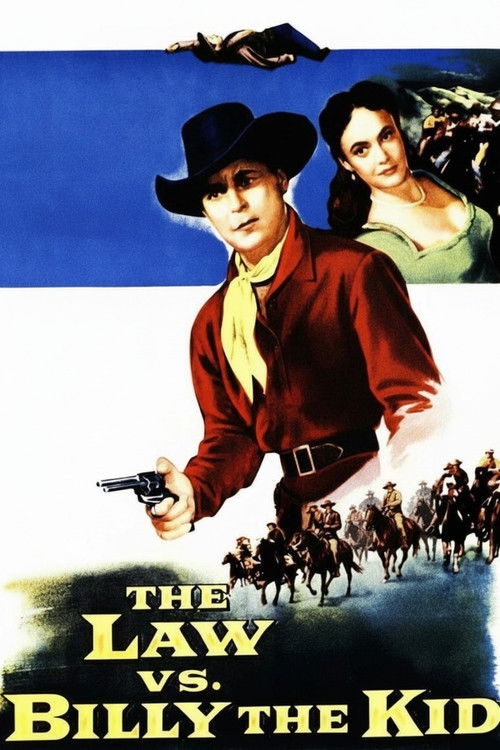
1954
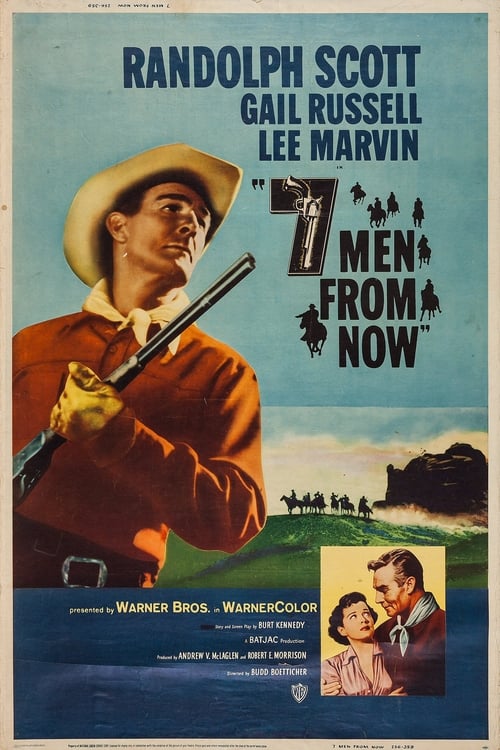
1956
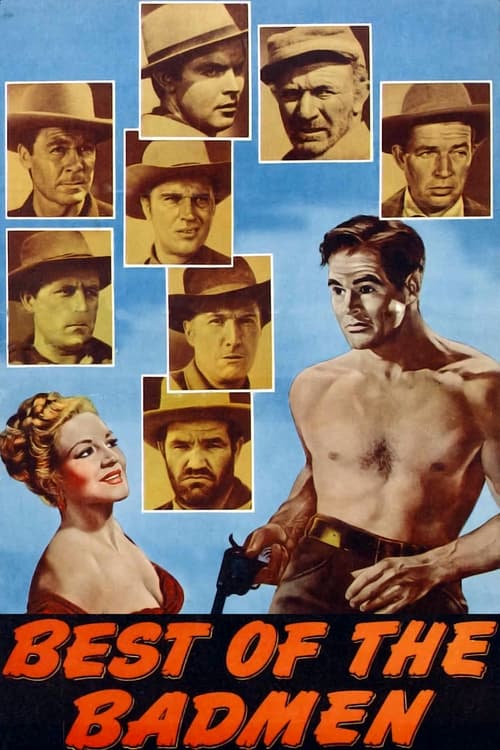
1951
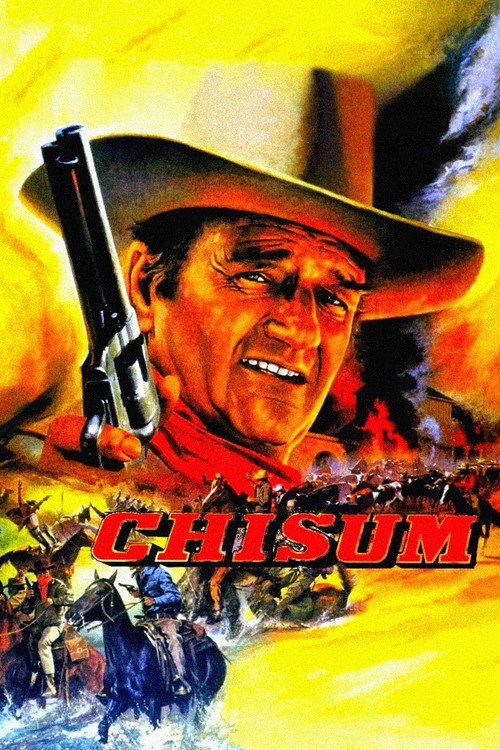
1970
No reviews yet. Be the first to share your thoughts on this movie!
Use the rating form above to leave a star rating and optional review.