
The Hands of Orlac
1960
No user ratings available yet
Representation score: 1.8 out of 10
Representation Score
Limited
1966
NRDirector
Hy Averback
Runtime
99 minutes
Average Rating
No ratings yetNew Showbiz Analysis
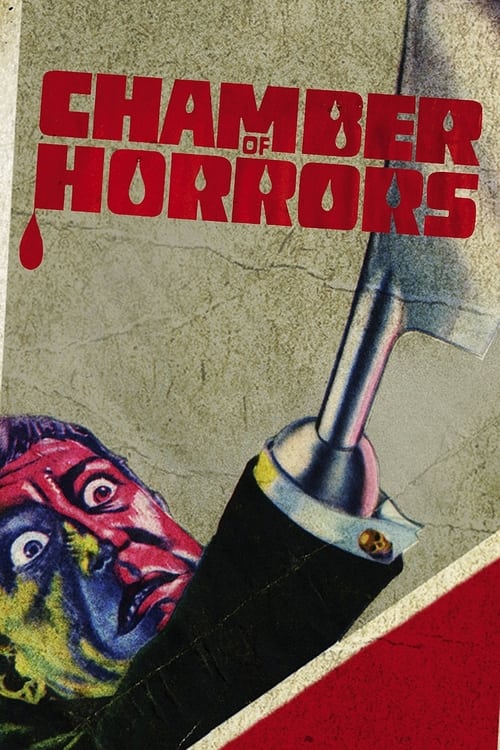
Chamber of Horrors follows the conventional crime-thriller structure of the 1960s. The film focuses on a revenge-driven storyline without offering meaningful social commentary. The narrative leverages the protagonist's physical impairment to create horror elements, emphasizing individual pathology and retribution. This approach prioritizes traditional genre conventions over deeper character development. Overall, the film adheres to the standard norms of 1960s cinema, lacking the intention to challenge traditional social hierarchies or provide diverse representation.
Category Breakdown
There is no representation of LGBTQ+ identities in the film. The antagonist is portrayed as a traditional, gendered figure.
The story revolves around a male protagonist and his violent actions. Female characters do not have significant roles or challenge gender norms.
The cast is homogeneous, following the typical casting practices of 1960s genre films. There is no effort to include diverse actors.
The narrative uses a traditional morality framework focusing on crime and punishment. It leans on established 'madman' stereotypes without broader cultural critique.
The protagonist's disability is used mainly as a plot device for horror and vengeance, rather than a nuanced exploration of the lived experience.
Present on Screen
Limited or Absent
Official Synopsis
A one-handed madman (he lost the hand while escaping a hanging) uses various detachable devices as murder weapons to gain revenge on those he believes have wronged him.
1960
1935
1946
1935
1973

1924
1973
1971
No reviews yet. Be the first to share your thoughts on this movie!
Use the rating form above to leave a star rating and optional review.