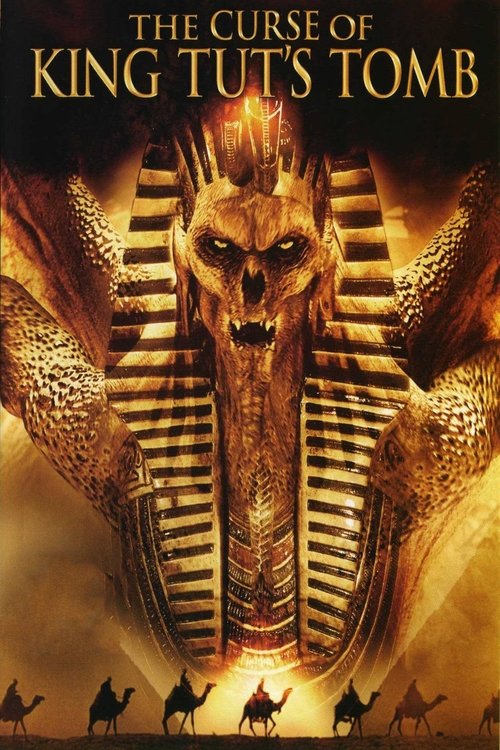
The Curse of King Tut's Tomb
2006
No user ratings available yet
Representation score: 3.3 out of 10
Representation Score
Fair
1998
RDirector
Russell Mulcahy
Runtime
88 minutes
Average Rating
No ratings yetNew Showbiz Analysis
The film focuses on a genre-driven adventure that emphasizes atmospheric horror over social commentary. While it challenges the traditional male-dominated narrative structure by featuring a female protagonist, it remains rooted in conventional Western storytelling. The work explores themes of ancient curses through a standard lens. It does not actively seek to challenge established cultural or social hierarchies, often relying on well-known genre formulas. Overall, the film operates within a framework that assumes everyone is straight and cisgender, using non-Western elements primarily as external threats or plot devices.
Category Breakdown
The film adheres closely to traditional 1990s adventure-horror conventions. There is no indication of non-binary gender identities or same-sex relationships among the main characters.
Sam Turkel plays a significant role as the primary investigator. However, the female antagonist is portrayed mainly as a supernatural threat rather than a complex character.
The expedition team is largely composed of Anglo-Saxon individuals. Modern-day non-Western characters have limited influence in the story.
The story incorporates Egyptian mythology as a key element. Non-Western spiritual practices are treated as sources of mystery or threat rather than subjects of critical examination.
Physical symptoms like seizures are used primarily as plot devices for supernatural influence. These moments do not provide nuanced depictions of neurodivergence or chronic conditions.
Present on Screen
Limited or Absent
Official Synopsis
Centuries ago, under the sands of ancient Egypt, a Prince was buried and his tomb eternally cursed so that no man would ever again suffer from his evil ways. But hundreds of years later on a greedy search for treasure, a group of archaeologists break the cursed seal of the tomb. Every man vanishes without a trace, leaving behind only a log book, and a deadly warning of the legend of the bloodthirsty Talos.
2006
1932

2014
1959

2014
2014
1999

1997
No reviews yet. Be the first to share your thoughts on this movie!
Use the rating form above to leave a star rating and optional review.