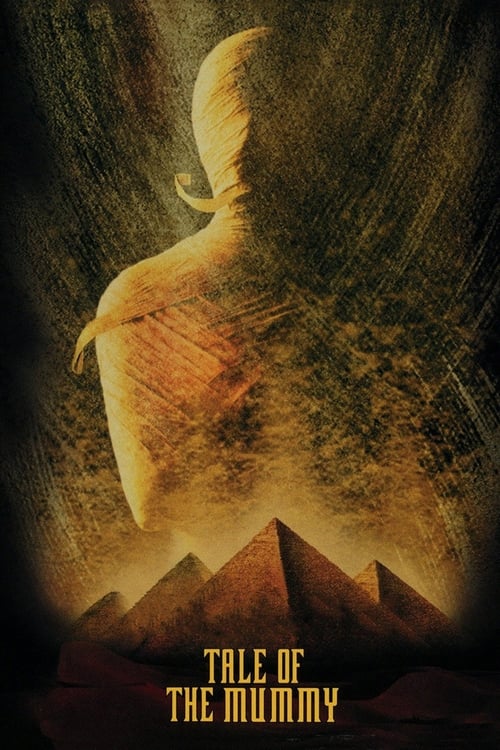
Russell Mulcahy’s Tale of the Mummy
1998
No user ratings available yet
Representation score: 5.4 out of 10
Representation Score
Limited
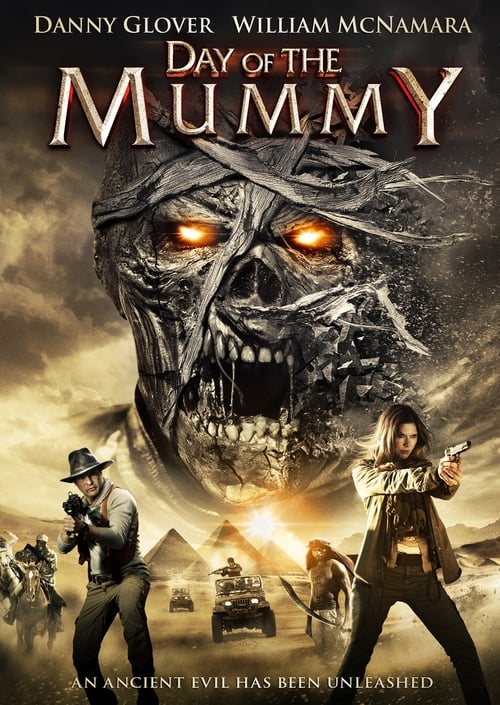
2014
NRDirector
Johnny Tabor
Runtime
76 minutes
Average Rating
No ratings yetNew Showbiz Analysis
Day of the Mummy functions as a conventional genre piece, emphasizing action-horror clichés over social complexity. The narrative structure relies heavily on established adventure archetypes, particularly the Western outsider exploring an exoticized landscape. The film lacks intentional narrative disruption. By focusing on a singular male hero and a central villain, it misses opportunities to integrate diverse identities or subvert historical hierarchies. Ultimately, the story follows a predictable path of greed and confrontation, using an ancient Egyptian setting primarily as a stage for standard cinematic conflict rather than deep cultural exploration.
Category Breakdown
The story revolves around a single male protagonist and a central antagonist. There are no characters with non-binary gender identities or same-sex relationships.
The film centers on Jack Wells, a male protagonist driven by a quest for wealth. The story emphasizes masculine themes of search and confrontation.
Set in Egypt, the story follows a Western protagonist navigating an ancient landscape. This suggests a traditional Western perspective on Eastern history.
The film uses a treasure hunter theme that reinforces Western capitalist motivations. It employs an exoticized historical setting as a backdrop for standard action-horror sequences.
There is no information available regarding the inclusion of characters with visible or invisible disabilities.
Present on Screen
Limited or Absent
Official Synopsis
Welcome to Egypt, land of the Pharaohs. A place steeped in history and legend; Gods and spiritual guides; untold wealth – and the bone-cracking, blood-spilling guardians of its riches. Jack Wells has arrived in Egypt in search of the famous diamond known as The Codex Stone. His journey leads him to the tomb of the cursed King Neferu, cursed not by name but by nature. With his centuries-old slumber disturbed by timeless human greed, the King rises from the dead with a blood-lust that cannot be quenched and a raging fury that will shred flesh from bone, bringing terrible and tormented death to all who dare witness the Day of the Mummy.
1998
1959
2019
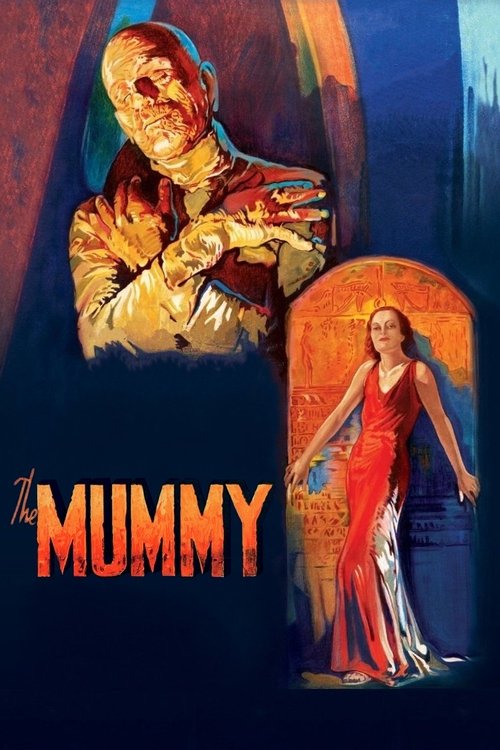
1932
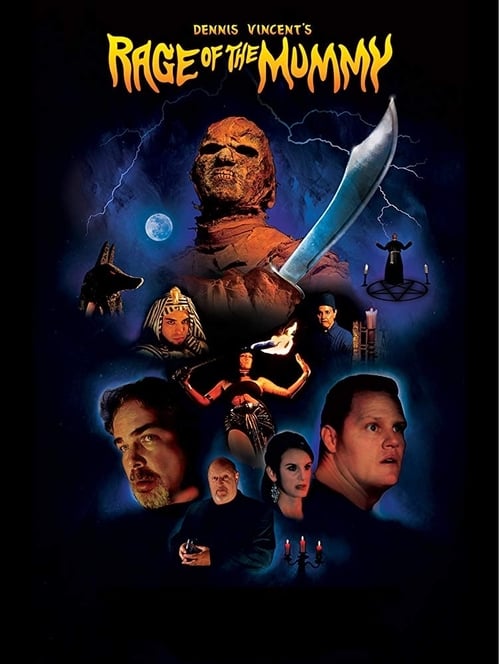
2018
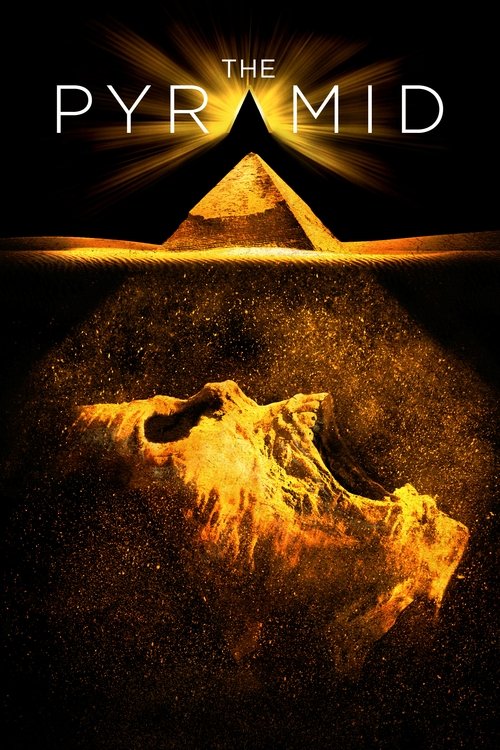
2014

2014
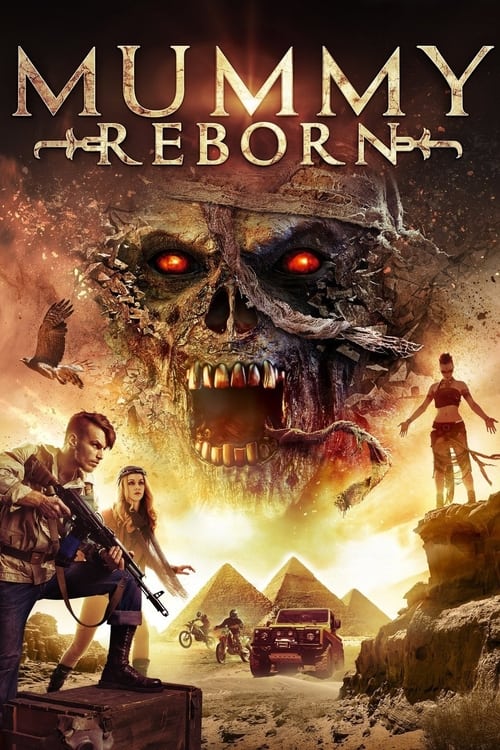
2019
No reviews yet. Be the first to share your thoughts on this movie!
Use the rating form above to leave a star rating and optional review.