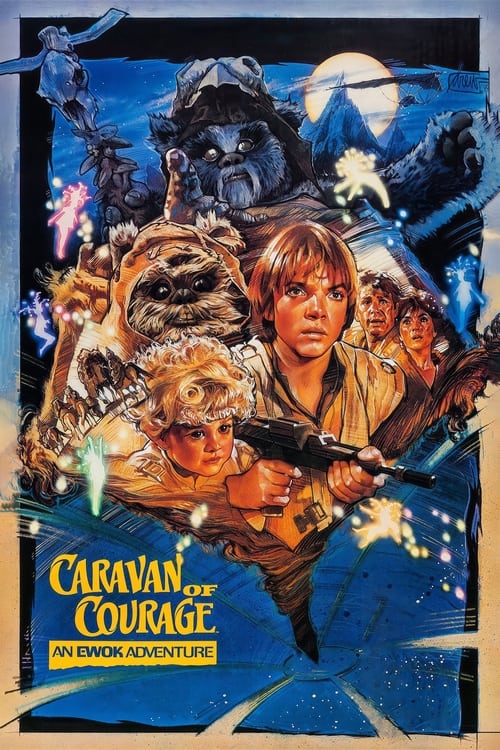
The Ewok Adventure
1984
No user ratings available yet
Representation score: 3.4 out of 10
Representation Score
Limited
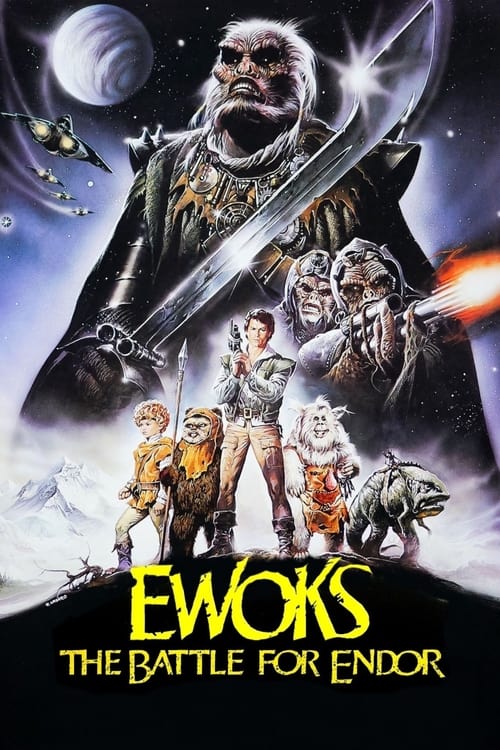
1985
TV-GDirector
Jim Wheat, Ken Wheat
Runtime
100 minutes
Average Rating
No ratings yetNew Showbiz Analysis
The film balances traditional storytelling with elements that offer a deeper critique of power structures. While it relies on genre clichés, it explores themes of indigenous resistance and systemic oppression through non-human characters. Despite this, the film lacks explicit inclusion of LGBTQ+ identities and disability, which prevents it from achieving higher scores in representation.
Category Breakdown
The film does not include any LGBTQ+ characters or stories. Social interactions focus solely on traditional tribal and family structures.
Female characters such as Charal and Cindel play key roles in the story. However, they follow conventional adventure and gendered roles typical of 1980s family entertainment.
Non-human species act as symbols for indigenous diversity. The Ewoks retain control and resist a technologically advanced imperial force, reflecting struggles against occupying powers.
The story criticizes imperialist expansion by portraying the Empire as an oppressive force that strips resources. The Ewoks' defense of their home highlights their struggle against systemic oppression.
There is no representation of visible or invisible disabilities. Characters with disabilities are not used as plot devices.
Present on Screen
Limited or Absent
Official Synopsis
The army of the Marauders, led by King Terak and the witch Charal, attack the Ewoks village, killing Cindel's family. Cindel and the Ewok Wicket escape and meet Teek in the forest, a naughty and very fast animal. Teek takes them to a house in which an old man, Noa, lives. Like Cindel, he also crashed with his Starcruiser on Endor. Together they fight Terak and Charal.
1984
1975
1978
1977
1978
1977
1988
1958
No reviews yet. Be the first to share your thoughts on this movie!
Use the rating form above to leave a star rating and optional review.