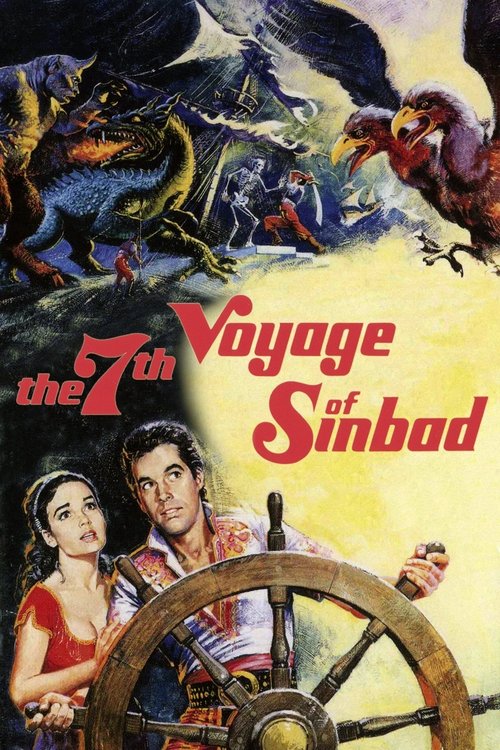
The 7th Voyage of Sinbad
1958
No user ratings available yet
Representation score: 1.1 out of 10
Representation Score
Limited
1977
GDirector
Sam Wanamaker
Runtime
113 minutes
Average Rating
No ratings yetNew Showbiz Analysis
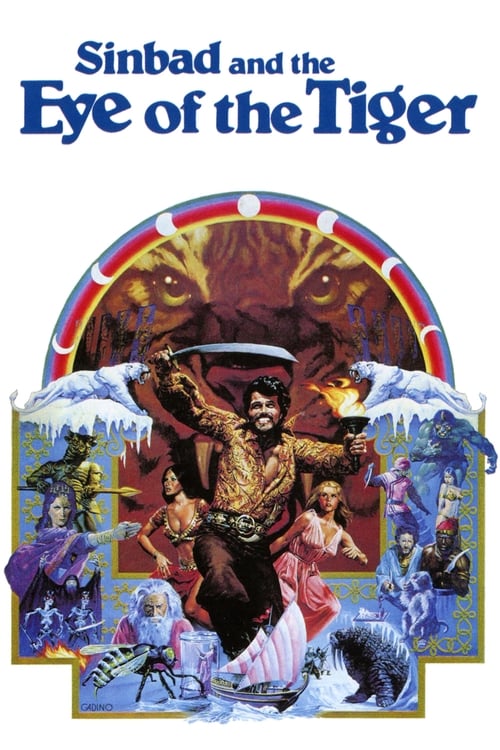
Sinbad and the Eye of the Tiger is a quintessential 1970s adventure that prioritizes escapism over social critique. While the fantasy setting allows for a diverse cast that avoids a purely Western appearance, the film remains anchored in the archetypes of its time. The narrative structure reinforces traditional hierarchies. Gender roles are conventional, and the central conflict revolves around a magical curse that treats physical differences as mere obstacles for the hero to overcome. It is a restorative tale that seeks to restore order to established power structures rather than challenge them.
Category Breakdown
The film focuses on traditional heterosexual relationships and does not include any non-binary gender identities or same-sex intimacy. Non-traditional sexualities are not represented.
Princess Farah asserts herself by demanding her brother's consent for marriage, showing some independence. However, the story remains driven by male characters, with women often serving as catalysts or figures needing protection.
The fantasy setting includes a diverse cast that avoids a purely Anglo-Saxon look. However, characterizations rely on stereotypical archetypes common to the 1970s rather than nuanced individual stories.
The narrative upholds traditional power structures like the Caliphate. It presents a restorative view of authority rather than engaging with secularism or questioning established institutions.
Prince Kassim’s transformation into a baboon is a magical plot device. It lacks a nuanced exploration of living with physical differences, treating such conditions as a problem to be resolved.
Present on Screen
Limited or Absent
Official Synopsis
Princess Farah refuses to marry Sinbad until Prince Kassim, her brother, is able to give his consent. However, the Prince's wicked stepmother, Queen Zenobia, has changed Kassim into a baboon in order to have her own son crowned as caliph. Sinbad, his crew, the Princess and the transformed Prince travel to a distant land, fighting every obstacle Zenobia places in their path, to seek the advice of a legendary wise man who can possibly tell how to end the spell.
1958
1973
1963
1940

1997
1975

2003
1939
No reviews yet. Be the first to share your thoughts on this movie!
Use the rating form above to leave a star rating and optional review.