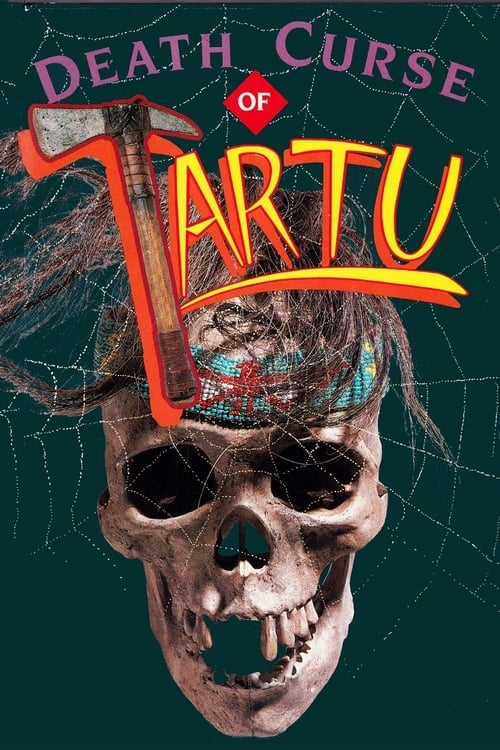
Death Curse of Tartu
1966
No user ratings available yet
Diversity score: 2.5 out of 10

1966
Director
William Grefé
Runtime
80 minutes
Average Rating
No ratings yetSynopsis
A group of biology students head to the Florida Everglades for a holiday, but instead of fun in the sun, they run into trouble with a mutated, bloodthirsty, and quite deadly jellyfish-man-monster.
Overall Score
Limited
Category Breakdown
LGBTQ+ Representation
The film contains no discernible LGBTQ+ characters or non-heteronormative identities. It adheres strictly to mid-century cinematic tropes without exploring queer identities.
Gender Representation
Female characters are central to the survival plot but often fall into the 'damsel in distress' archetype. The narrative relies on threats against women to drive suspense.
Racial & Ethnic Diversity
The cast reflects the homogeneous demographic norms of 1960s American genre cinema. There is no evidence of significant racial blending or diverse casting.
Religious & Cultural Diversity
The story functions as a standard survival thriller focused on man versus nature. It lacks engagement with critiques of Western institutions or organized religion.
Disability Representation
There are no neurodivergent characters or individuals with disabilities portrayed with agency. Physical impairment is not treated as a nuanced identity in this work.
Strengths
Areas for Improvement
AI Analysis
Sting of Death is a product of its era, functioning as a standard exploitation-era genre exercise. It follows a survivalist structure that reinforces rather than challenges the social hierarchies of the 1960s. The film lacks intentional sociological complexity or intersectional storytelling. Instead, it relies on traditionalist narrative architectures and mid-century tropes common to low-budget science fiction and horror. Ultimately, the work serves as a conventional man-versus-nature conflict, offering little in the way of demographic or cultural subversion.
1966

1992
1990
2007
1974
1980

1988
1982
2012
2016
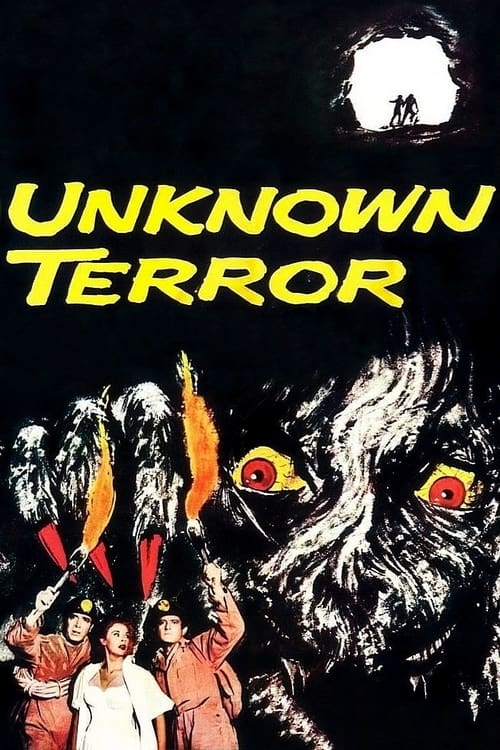
1957
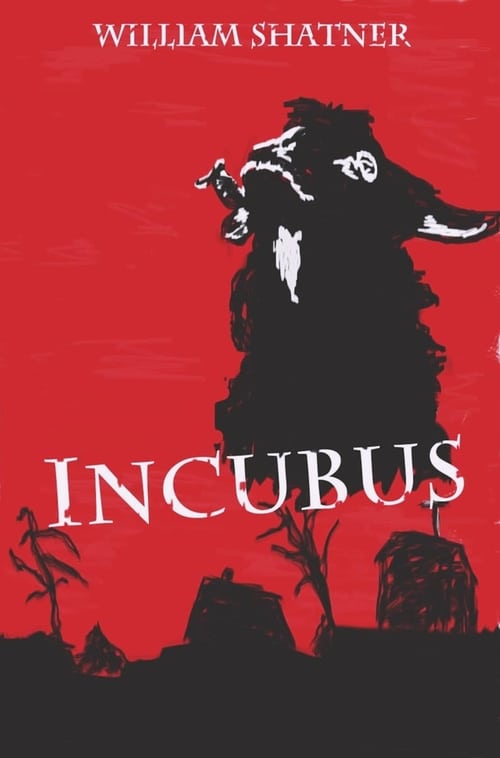
1966
No reviews yet. Be the first to share your thoughts on this movie!
Use the rating form above to leave a star rating and optional review.