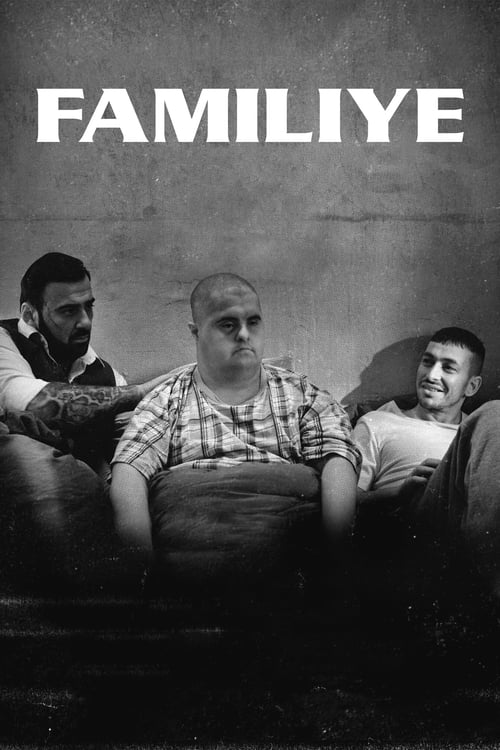
Familiye
2017
No user ratings available yet
Diversity score: 5.5 out of 10

2006
Director
Saman Salur
Runtime
85 minutes
Average Rating
No ratings yetSynopsis
The film is set around three protagonists. Two run a gas station on the outskirts of town, on a road that gets next to no traffic anymore, and so they get next to no customers. They live and work out of a decrepit van on site, its windows covered in plastic. Sadry is a former strongman, now blind in one eye. He is the boss of the station. Yadi is his eager to please assistant, who usually annoys more than pleases. Finally there is the postman, Abbas, who longs to trade in his brakeless bicycle for a motorcycle, while he must care for his mentally ill brother.
Overall Score
Fair
Category Breakdown
LGBTQ+ Representation
The film contains no mention of non-heteronormative identities or same-sex dynamics. There is no evidence of critiques regarding heteronormativity within the narrative.
Gender Representation
The story centers on a male-dominated environment. However, it avoids traditional masculine hero tropes by focusing on aging, inept, or struggling figures rather than archetypes of strength.
Racial & Ethnic Diversity
While specific ethnic breakdowns are not detailed, the character names and setting suggest a non-Western cultural context. The film focuses on localized socioeconomic struggles outside Anglo-centric norms.
Religious & Cultural Diversity
The narrative prioritizes lived experience over idealized depictions of progress. It explores systemic struggle and the burdens of caretaking within a specific regional setting.
Disability Representation
Disability is integrated into the characters' core identities. The film features both visible visual impairment and the invisible reality of mental illness through the protagonist's brother.
Strengths
Areas for Improvement
AI Analysis
The film serves as a character study of marginality, centering on individuals living on the periphery of societal productivity. It successfully disrupts conventional expectations of success by focusing on characters who are economically stagnant and physically or mentally compromised. While the film excels in its realistic portrayal of disability and the struggles of caretaking, it lacks diversity in other key areas. The narrative is heavily male-centric and provides no visibility for LGBTQ+ identities. Ultimately, the work challenges polished commercial tropes by offering a fatalistic, realist look at life in a decaying, isolated setting.
2017

2007

1973

2020

2014

2008
1999

2012

2017

2010

2007

1980
No reviews yet. Be the first to share your thoughts on this movie!
Use the rating form above to leave a star rating and optional review.