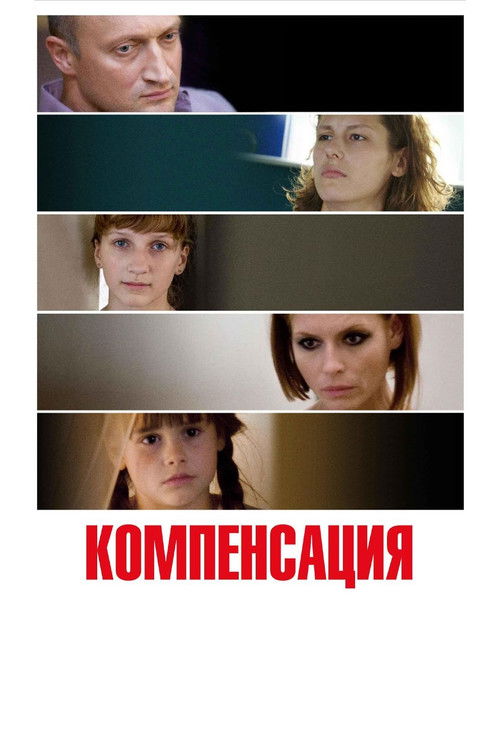
Compensation
2010
No user ratings available yet
Representation score: 4.8 out of 10

Representation Score
Fair
2010
Director
Dmitry Mamuliya
Runtime
86 minutes
Average Rating
No ratings yetNew Showbiz Analysis
Another Sky is a social realist drama that prioritizes the experiences of ethnic outsiders. By centering on Uzbek migrants in Moscow, the film provides a significant role in driving the story to non-Slavic protagonists navigating a complex metropolitan hierarchy. The film's strength lies in its critique of centralized power and its depiction of the 'guest worker' experience. It successfully disrupts the homogeneity often found in Russian cinema by focusing on the struggles of the displaced. However, the film leans heavily on traditional masculine archetypes. The absence of diverse gender roles and LGBTQ+ representation limits the breadth of its social commentary.
Category Breakdown
The film does not include any explicit LGBTQ+ characters or non-straight relationships. The story centers on a traditional relationship between a father and his son.
The narrative is driven by male archetypes of provider and protector. Although the mother's disappearance is the main plot driver, her role is defined primarily through her loss and displacement.
The film excels by centering ethnic outsiders from the Uzbek steppe. It highlights the intersection of ethnicity and socio-economic exclusion through the lens of migrant workers in Moscow.
The story explores the tension between peripheral cultures and centralized power. It critiques socio-economic hierarchies by framing the metropolis as a site of systemic struggle rather than opportunity.
There is no evidence regarding the portrayal of physical or neurodivergent disabilities within the narrative.
Present on Screen
Limited or Absent
Official Synopsis
When a father and son from the Uzbek steppe move to Moscow in search of the boy's missing mother they are condemned to the lot of the 'gastarbeiter'.
2010
2007
2018

2017
2009
2003
2021
2015
No reviews yet. Be the first to share your thoughts on this movie!
Use the rating form above to leave a star rating and optional review.