The False Servant
2000
No user ratings available yet
Representation score: 4.7 out of 10
Representation Score
Minimal
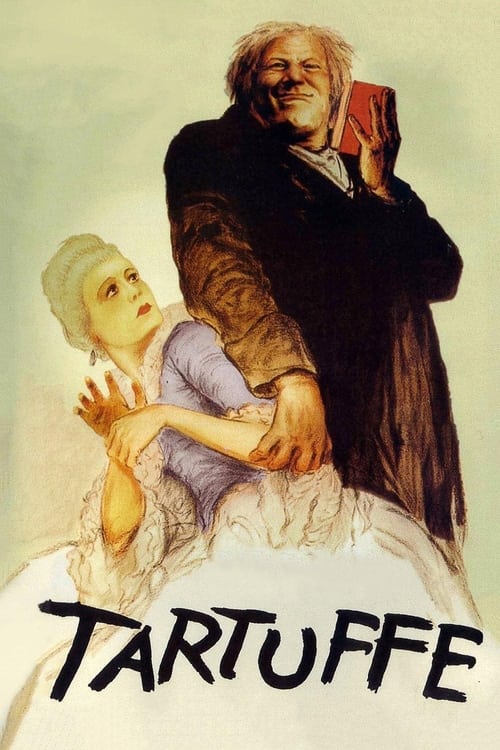
1926
Not RatedDirector
F. W. Murnau
Runtime
62 minutes
Average Rating
No ratings yetNew Showbiz Analysis
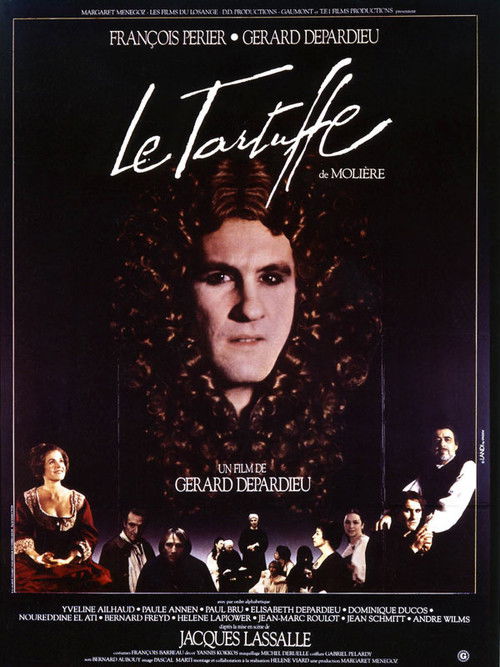
Murnau’s adaptation of Molière serves as a meta-narrative critique of social hypocrisy. Using a play-within-a-film structure, it dismantles the authority of domestic figures, especially those within established household hierarchies. Though the film lacks contemporary markers of diversity such as LGBTQ+ or racial inclusivity, it provides a nuanced deconstruction of societal facades. Its progressive value lies in exposing systemic greed and questioning the integrity of traditional authority figures. Ultimately, the film emphasizes moral relativism rather than identity politics, prioritizing the psychological deconstruction of social roles over a diverse cast or inclusive representation.
Category Breakdown
The film does not include any representations of LGBTQ+ identities or queer subtext. Instead, it focuses on themes of inheritance and deceit within a family setting.
The story revolves around a conflict between a young man and a female authority figure. Despite the governess being portrayed as deceptive, the narrative challenges traditional gender roles within the home.
The film adheres to the homogeneous casting standards typical of the 1926 Weimar Republic era. There is no indication of racially diverse casting or non-Anglo-Saxon majority representation.
The film employs satire to criticize traditional institutions, particularly focusing on the hypocrisy of the family unit and social order. It highlights the contradictions within these structures.
There is no information available regarding the depiction of physical or cognitive disabilities within this work.
Present on Screen
Limited or Absent
Official Synopsis
A young man shows his millionaire grandfather a film based on Molière's play "Tartuffe" in order to expose the old man's hypocritical governess who covets the young man's inheritance.
2000

1980
1944
1922
1920
2006
1984
1940
No reviews yet. Be the first to share your thoughts on this movie!
Use the rating form above to leave a star rating and optional review.