
Wings of the Morning
1937
No user ratings available yet
Diversity score: 3.0 out of 10
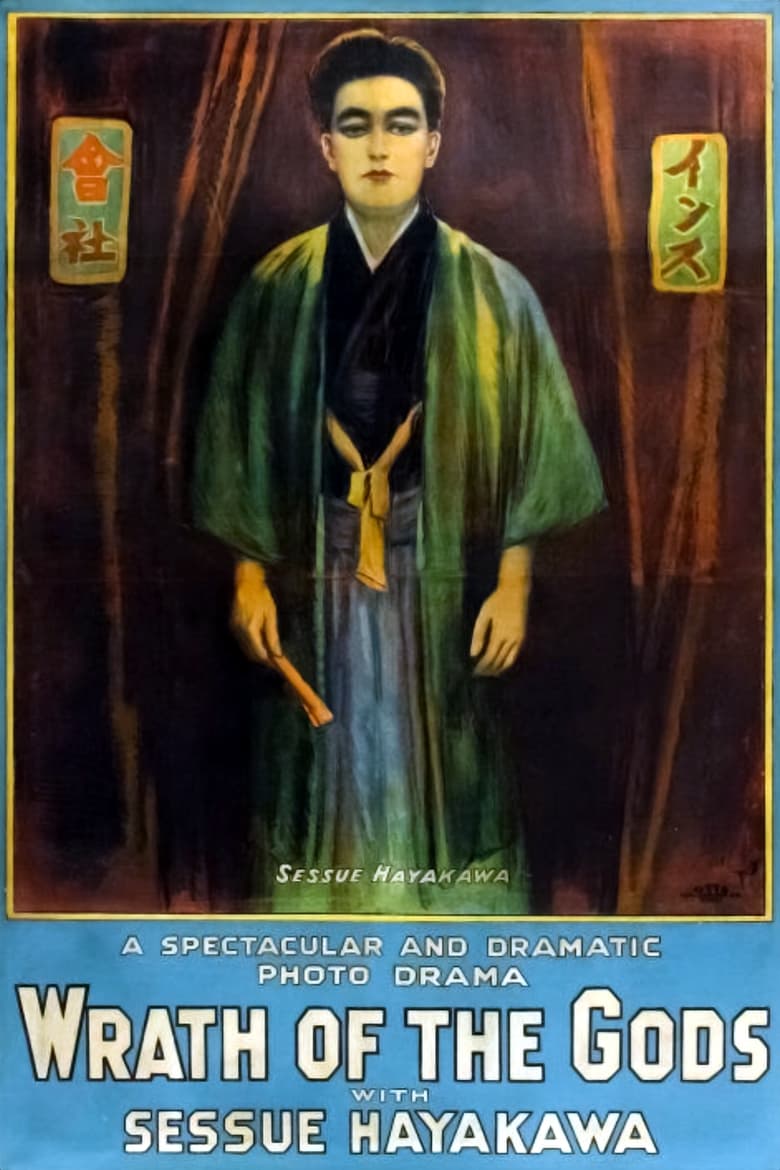
1914
NRDirector
Reginald Barker
Runtime
56 minutes
Average Rating
No ratings yetSynopsis
An American sailor falls in love with a fisherman's daughter and convinces her that Jesus is more powerful than the gods who have cursed her.
Overall Score
Limited
Category Breakdown
LGBTQ+ Representation
The film focuses on a traditional romantic pairing between an American sailor and a local woman. There are no depictions of non-cisnormative identities or narratives that challenge heteronormativity.
Gender Representation
The female protagonist's role is defined by her relationship to the male lead and her community. The narrative follows a hierarchy where the male character acts as the primary agent of change.
Racial & Ethnic Diversity
The story features a non-Western setting and diverse characters, but the plot centers on the displacement of local traditions. This suggests a colonialist framework rather than a celebration of ethnic agency.
Religious & Cultural Diversity
The central conflict involves promoting Christianity over indigenous deities. This reinforces Western religious hegemony by positioning Western institutions as the solution to local spiritual curses.
Disability Representation
There is no discernible evidence regarding the portrayal of physical or neurodivergent disabilities within the narrative.
Strengths
Areas for Improvement
AI Analysis
The film serves as a period piece that reflects the colonialist and religious hierarchies of the early 20th century. Rather than disrupting conventional expectations, the story reinforces them through a lens of Western spiritual expansionism. The narrative architecture prioritizes Western religious paradigms over indigenous belief systems. This creates a framework of cultural imposition where local traditions are treated as something to be overcome by Western influence.
1937

1927
1917
1931
1922

1918
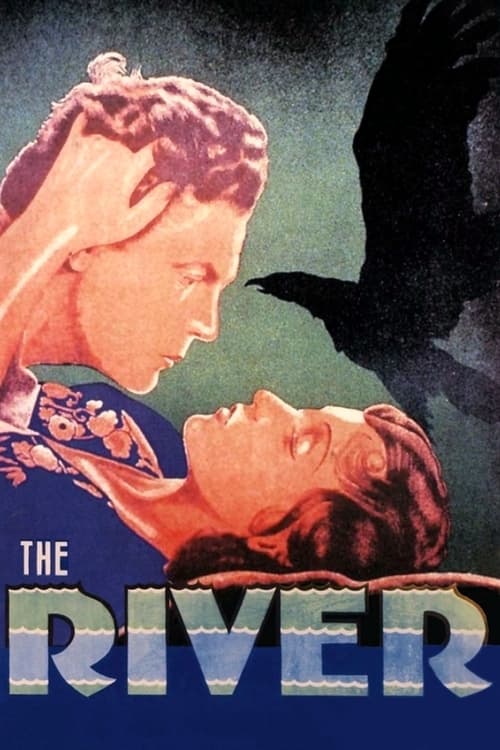
1929
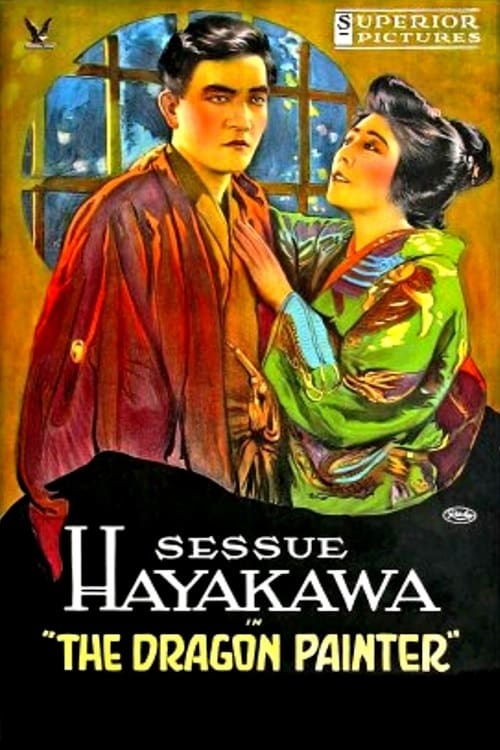
1919
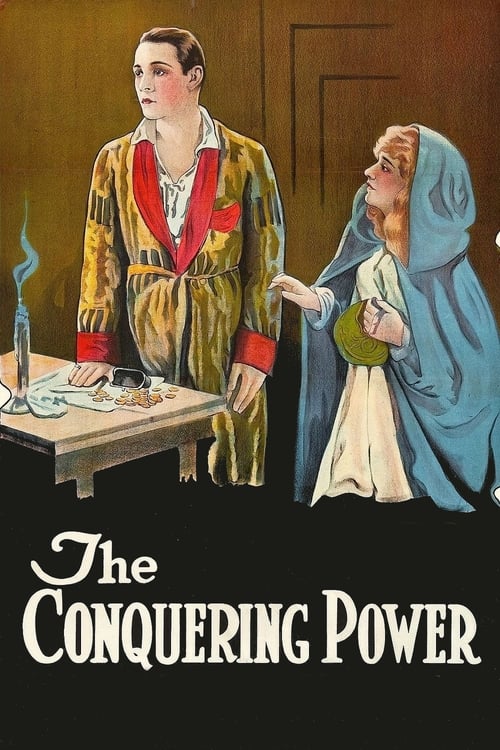
1921
1911
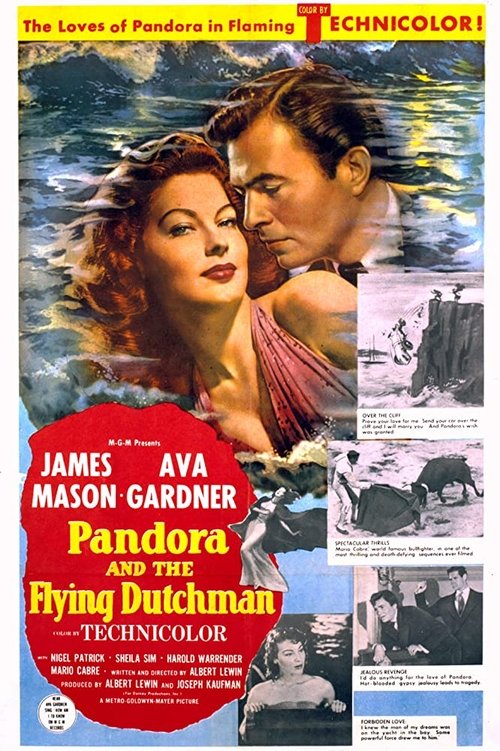
1951
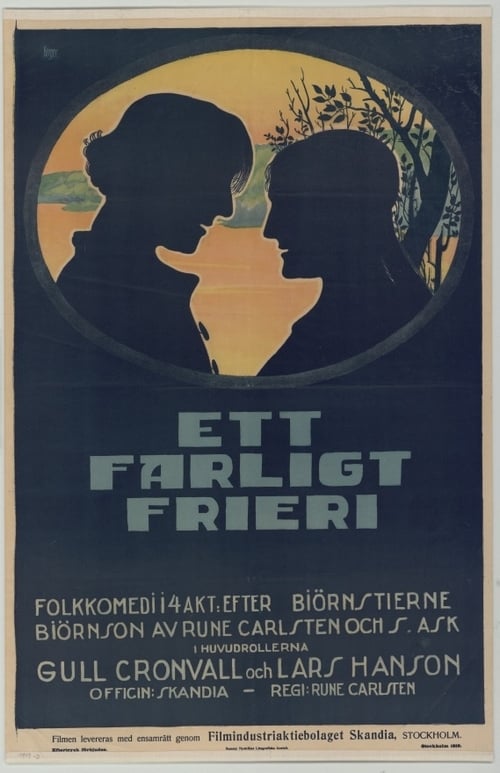
1919
No reviews yet. Be the first to share your thoughts on this movie!
Use the rating form above to leave a star rating and optional review.