Auf Wiedersehn am blauen Meer
1962
No user ratings available yet
Diversity score: 2.9 out of 10
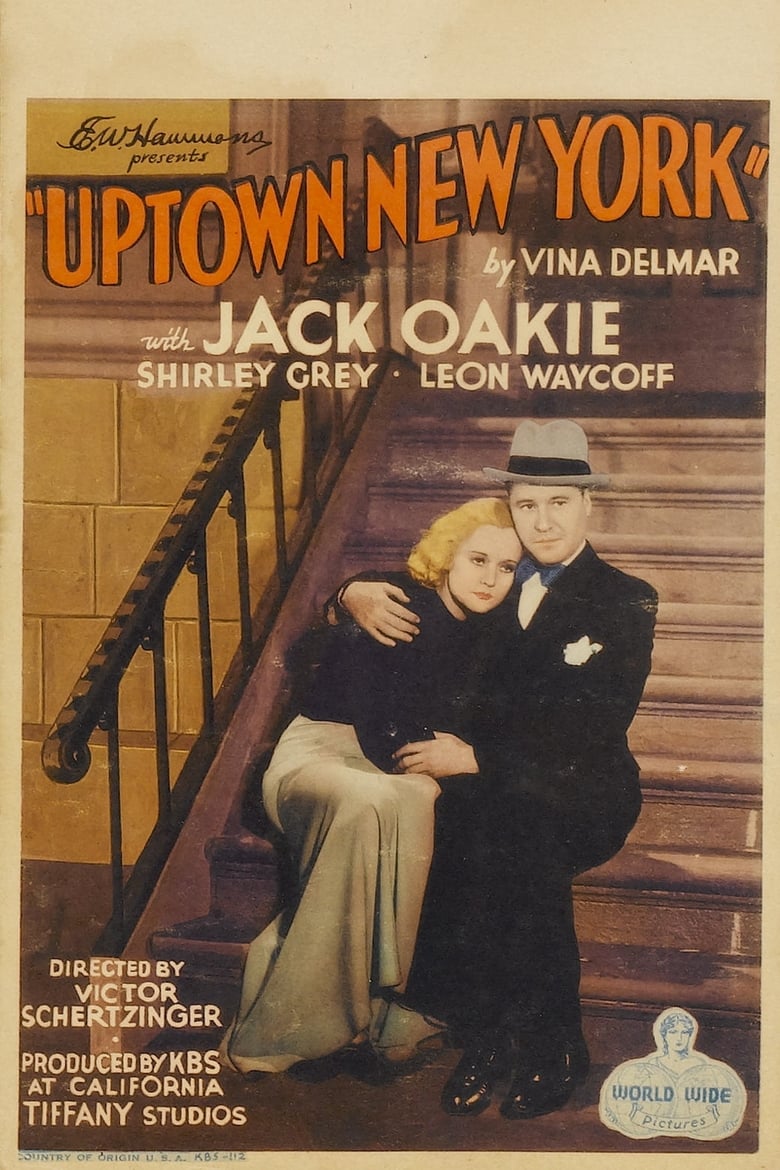
1932
PassedDirector
Victor Schertzinger
Runtime
80 minutes
Average Rating
No ratings yetSynopsis
Jack Oakie plays Eddie Doyle, a gumball machine salesman who marries Pat Smith (Shirley Grey) knowing full well that the girl is on the rebound from a failed romance with aspiring Jewish doctor Max Silver (Leon Ames). But when Pat is nearly killed in an effort to protect her husband's gumball machines from hoodlums and is in need of a lifesaving operation, Eddie calls on Dr. Max
Overall Score
Limited
Category Breakdown
LGBTQ+ Representation
The film follows a traditional heterosexual romantic arc. There is no evidence of queer subtext or non-cisnormative identities present in the narrative.
Gender Representation
The plot relies on mid-century tropes where the male protagonist drives the action. The female lead is defined largely by her vulnerability and need for male protection.
Racial & Ethnic Diversity
Max Silver, an aspiring Jewish doctor, provides ethnic representation in a professional role. This offers some nuance within a largely conventional social framework.
Religious & Cultural Diversity
The story emphasizes 1930s values like stable marriage and medical institutions. It does not seek to deconstruct Western social structures or traditional norms.
Disability Representation
A character requires a lifesaving operation, but it is unclear if disability is portrayed with agency. The medical crisis appears to function primarily as a plot device.
Strengths
Areas for Improvement
AI Analysis
Uptown New York is a standard period romantic drama that adheres closely to the social hierarchies of the early 1930s. The narrative structure prioritizes traditional domesticity and conventional romantic resolutions. While the film lacks significant diversity, the inclusion of a Jewish character in a high-agency professional role provides a layer of ethnic nuance. However, the gender dynamics remain heavily skewed toward male agency. Ultimately, the film reinforces the era's status quo rather than challenging it, using character vulnerabilities to drive a traditional melodrama.
1962

1998
1910
1930
1920
1914

2016
2000
1990
1947

2004

1979
No reviews yet. Be the first to share your thoughts on this movie!
Use the rating form above to leave a star rating and optional review.