
The Common Man
1975
No user ratings available yet
Representation score: 4.9 out of 10
Representation Score
Limited
1974
Director
Marc Simenon
Runtime
96 minutes
Average Rating
No ratings yetNew Showbiz Analysis
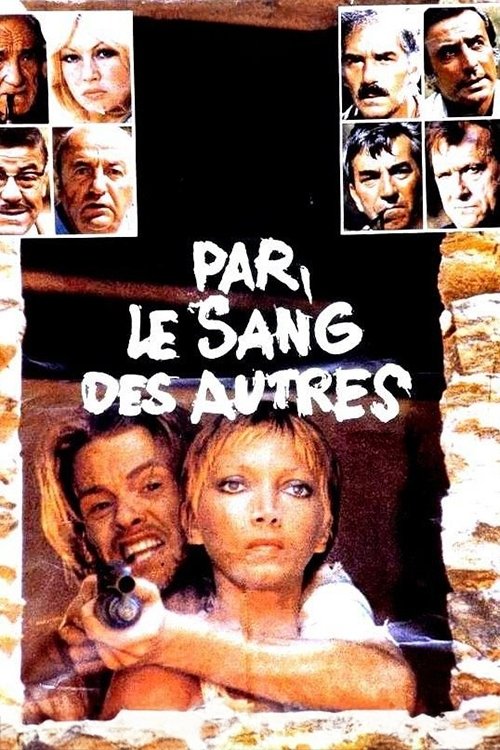
By the Blood of Others is a psychological exploration of community vulnerability rather than a broad demographic study. It uses a tense hostage situation to reveal the hypocrisy behind social facades, stripping away the pretense of stability in provincial life. The film's strength lies in its nuanced critique of institutional integrity. By presenting local leaders as morally compromised, it highlights the inherent corruption in established power structures. Though the casting is traditional and lacks racial or LGBTQ+ diversity, the film provides a sophisticated commentary on social cohesion and the flaws within local power structures.
Category Breakdown
The film does not include any identifiable LGBTQ+ characters or storylines. The plot revolves around a hostage situation and the response of local authorities.
Women play key roles in driving the moral conflict of the story. Their actions challenge the power dynamics between masculine institutions and feminine influence.
The cast is largely uniform, reflecting the film's setting in mid-20th century France. There is no indication of intentional racial diversity within the community portrayed.
The film critiques traditional Western institutions by presenting local leaders as hypocritical. It questions the sanctity of communal authority and provincial respectability.
There are no visible representations of physical or cognitive disabilities. These elements are not used as central themes or character traits in the story.
Present on Screen
Limited or Absent
Official Synopsis
In a little French town everything goes on as usual and people seem friendly and good-natured, until the day two women arrive from Paris. A man gets off the same bus, and that very night he seizes the two women and asks for the most beautiful woman in town as their ransom. After the initial shock, the mayor, his brother, the prefect, the police, and the gendarmerie gather around the house where the two woman are imprisoned. It will be a test for everyone and each of them will show his/her real stuff: hypocrisy, meanness, or humanity concealed under their provincial respectability.
1975
1967

1994

1975
1966
1964

1977

1975
No reviews yet. Be the first to share your thoughts on this movie!
Use the rating form above to leave a star rating and optional review.