The Last Hammer Blow
2014
No user ratings available yet
Representation score: 4.9 out of 10
Representation Score
Limited
2022
Director
Bruno Chiche
Runtime
96 minutes
Average Rating
No ratings yetNew Showbiz Analysis
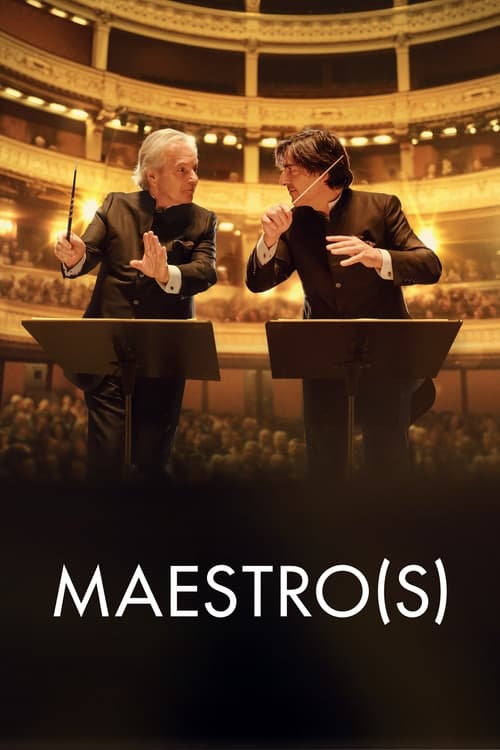
Maestro(s) functions as a conventional character drama centered on the generational friction within a family of classical music conductors. The story prioritizes the transition of power and the disillusionment found in professional legacies. By focusing on a male-centric lineage and the pursuit of prestige within established European hierarchies, it maintains a standard, non-subversive narrative structure. Overall, the film lacks significant representation of diverse identities, instead leaning into the homogeneous traditions of the classical music establishment.
Category Breakdown
The story focuses on the relationship between François and Denis Dunar, emphasizing their professional and familial bonds. There is no mention of LGBTQ+ identities or same-sex relationships.
The film centers on a male-dominated lineage of conductors. Conflicts revolve around male figures navigating patriarchal legacies and professional hierarchies.
Set in the context of European classical music, the narrative lacks representation of non-white individuals or casting that disrupts the homogeneous environment.
The story highlights the prestige of traditional Western high-culture institutions like the Scala. It emphasizes familial legacy and institutional hierarchy over cultural critique.
The film does not provide any information regarding the depiction of physical, neurodivergent, or mental health conditions.
Present on Screen
Limited or Absent
Official Synopsis
The Dunars are conductors from father to son. François' long and brilliant international career come to an end, whereas Denis has just won an umpteenth classical music award. When François is chosen to be the head of the Scala, his ultimate dream, he can't believe it. Happy at first for his father, Denis quickly become disillusioned when he discovers that he was, in fact, chosen to go to Milan.
2014
2009
2017
2006
2023
1998
2019
2012
No reviews yet. Be the first to share your thoughts on this movie!
Use the rating form above to leave a star rating and optional review.