The Halt
2000
No user ratings available yet
Diversity score: 5.1 out of 10
2016
Director
Sergei Loznitsa
Runtime
94 minutes
Average Rating
No ratings yetSynopsis
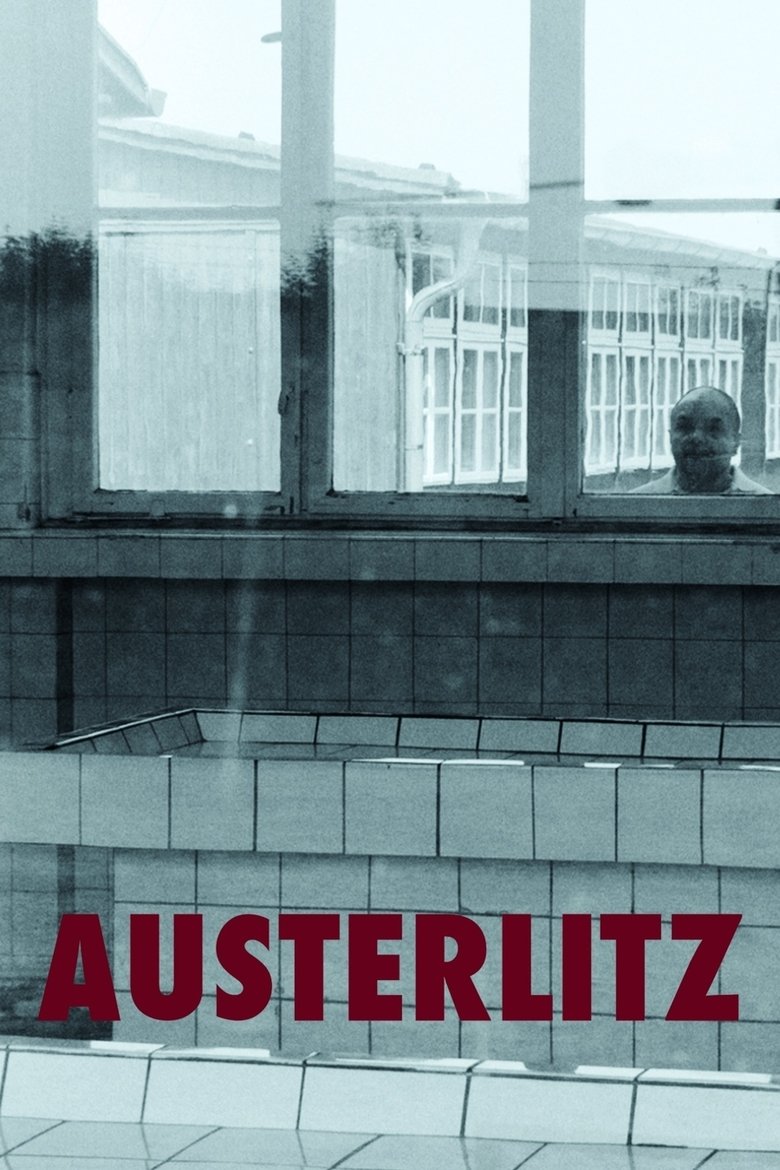
The new film from Sergei Loznitsa (Maidan, The Event) is a stark yet rich and complex portrait of tourists visiting the grounds of former Nazi extermination camps, and a sometimes sardonic study of the relationship (or the clash) between contemporary culture and the sanctity of the site.
Overall Score
Good
Category Breakdown
LGBTQ+ Representation
The film maintains a neutral stance regarding LGBTQ+ identities. It does not explicitly center queer narratives or non-cisnormative expressions, focusing instead on the collective experience of statelessness.
Gender Representation
Gender is presented through the lens of shared hardship. Men, women, and children are depicted as equally subject to the dehumanizing effects of bureaucratic processing and institutional power.
Racial & Ethnic Diversity
The film excels by centering Middle Eastern, African, and Central Asian identities. Using non-professional actors, it grants profound depth to marginalized groups often rendered invisible by statistics.
Religious & Cultural Diversity
Loznitsa offers a sophisticated post-colonial critique of Western institutional power. The film highlights religious practices and socioeconomic precarity to challenge Western secular-capitalist hegemony.
Disability Representation
There is no explicit focus on physical or neurodivergent disabilities. However, the film captures a systemic loss of agency and psychological exhaustion among the detainees.
Strengths
Areas for Improvement
AI Analysis
Sergei Loznitsa’s *Austerlitz* is a rigorous observational study that deconstructs Western institutional authority. By focusing on the intersection of individual identity and state bureaucracy, the film provides a profound look at the migrant experience. The film's greatest strength lies in its intersectional visibility. It centers non-white identities, making them the primary subjects rather than mere statistics within a detention center. While the film lacks specific focus on LGBTQ+ or disability-related narratives, it succeeds as a systemic critique. It portrays the state as a cold mechanism of exclusion rather than a protector.
2000

2004
2021

2004
2009
2017

2016

2017

2017

2013
2025

2019
No reviews yet. Be the first to share your thoughts on this movie!
Use the rating form above to leave a star rating and optional review.