Schlock! The Secret History of American Movies
2001
No user ratings available yet
Diversity score: 6.0 out of 10
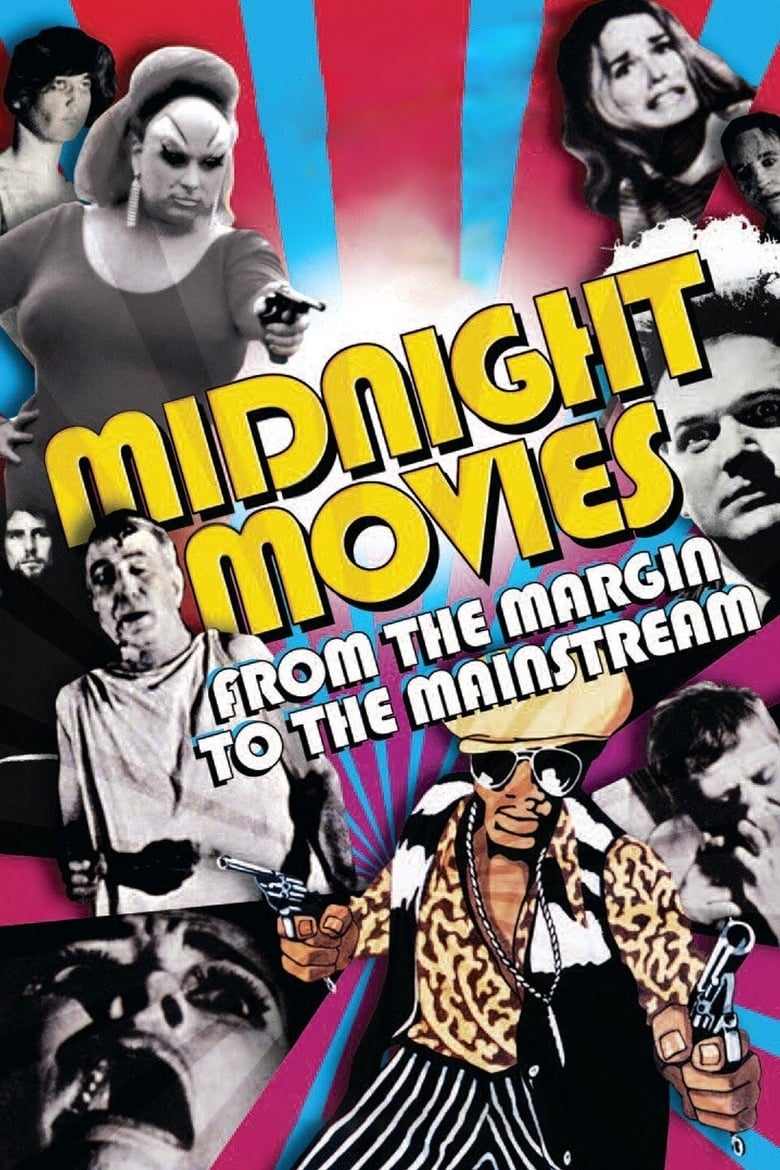
2006
Director
Stuart Samuels
Runtime
86 minutes
Average Rating
No ratings yetSynopsis
From 1970-1977, six low budget films shown at midnight transformed the way we make and watch films.
Overall Score
Good
Category Breakdown
LGBTQ+ Representation
The documentary explores an era synonymous with the rise of queer cinema. It prioritizes the visibility of LGBTQ+ themes that were historically excluded from traditional studio systems.
Gender Representation
The film examines how low-budget genre films subverted traditional gender hierarchies. It likely investigates the disruption of standard domestic and romantic tropes through unconventional feminine archetypes.
Racial & Ethnic Diversity
The narrative investigates how diverse voices and non-traditional casting began to penetrate the cultural zeitgeist. It covers a pivotal period for the emergence of diverse perspectives in independent film.
Religious & Cultural Diversity
The film celebrates anti-establishment art and the outsider perspective. It validates counter-cultural movements by documenting films that existed outside the traditional Hollywood studio system.
Disability Representation
There is no evidence regarding the presence or portrayal of disability within the documentary's film selections.
Strengths
Areas for Improvement
AI Analysis
Midnight Movies: From the Margin to the Mainstream serves as a retrospective on how marginalized media challenged cinematic hegemony. By focusing on the era between 1970 and 1977, the documentary highlights films that disrupted mainstream norms and traditional narrative structures. The film's strength lies in its structural focus on counter-cultural movements. It provides a framework for understanding how identity-driven storytelling and non-traditional perspectives successfully transitioned from niche screenings to mainstream cultural influence. However, the documentary's depth regarding specific identity portrayals remains somewhat tied to the historical context of the films it studies. While it celebrates the 'margin,' the specific representation of various groups is framed through the lens of film history rather than direct character analysis.
2001
1998

2017

2021
2020

2012

2021
2014
2018
1972
2020
2011
No reviews yet. Be the first to share your thoughts on this movie!
Use the rating form above to leave a star rating and optional review.