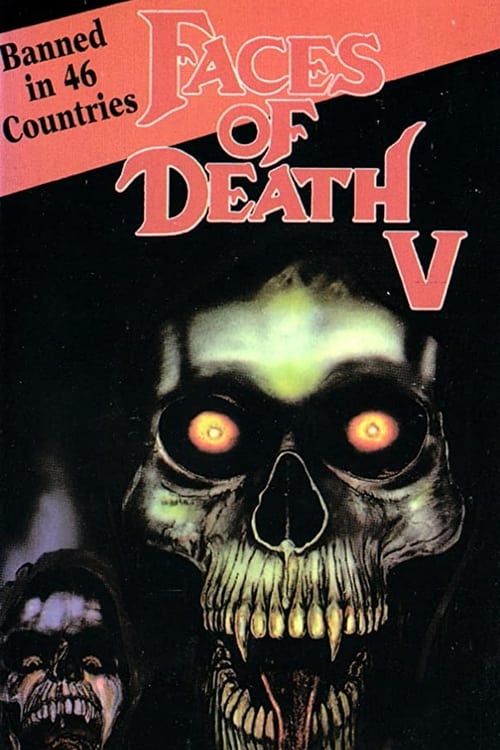
Faces of Death VI
1996
No user ratings available yet
Representation score: 1.5 out of 10
Representation Score
Limited
1986
Not RatedDirector
David Bergman
Runtime
110 minutes
Average Rating
No ratings yetNew Showbiz Analysis
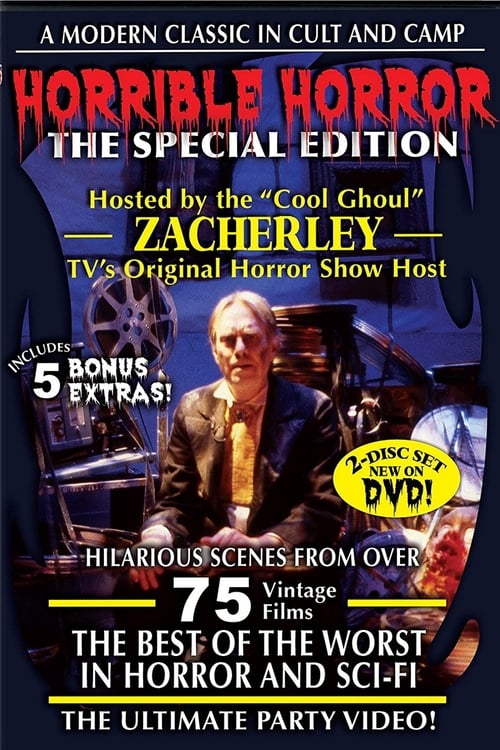
Horrible Horror operates as a historical archive rather than a scripted narrative. By compiling existing trailers from the 1950s and '60s, it inherently reflects the social norms and cinematic conventions of that period. The film does not aim to address modern progressive themes or diverse storytelling. Instead, it serves as a time capsule of mid-century norms, emphasizing conventional social structures over varied or subversive narratives. Ultimately, the work captures the social and cultural context of mid-century American genre filmmaking.
Category Breakdown
The archival footage adheres to the straight-centered norms of the 1950s and '60s. There are no queer narratives or non-straight identities represented in these vintage trailers.
The material leans on classic horror clichés from the mid-20th century, often featuring women in perilous situations or male heroes. These conventions reinforce traditional gender roles and hierarchies.
The curated trailers mirror the demographic uniformity of mid-century American genre cinema. The footage lacks characters of color with significant influence or ability to act.
As a product of mid-century Western media, the content highlights traditional social institutions. It lacks the deconstructive elements seen in contemporary cinema.
Disability is often used as a plot device or a symbol of 'otherness.' There are no depictions of disability through a lens of empowerment or nuanced identity.
Present on Screen
Limited or Absent
Official Synopsis
A collection of trailers and previews from various low-budget horror films of the '50s and '60s.
1996
2019
2017
2010
2019
1995
2022
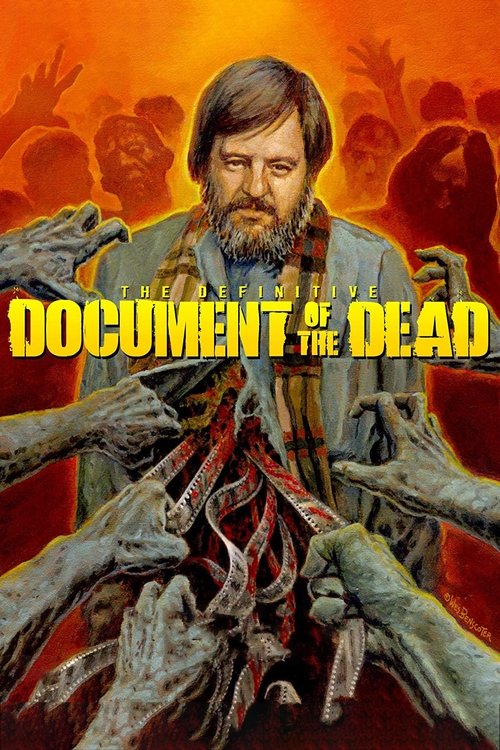
1981
No reviews yet. Be the first to share your thoughts on this movie!
Use the rating form above to leave a star rating and optional review.