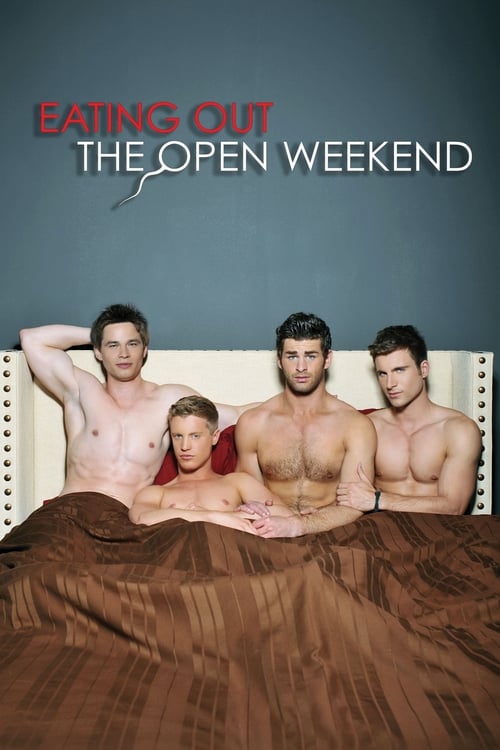
Eating Out: The Open Weekend
2011
No user ratings available yet
Diversity score: 6.7 out of 10
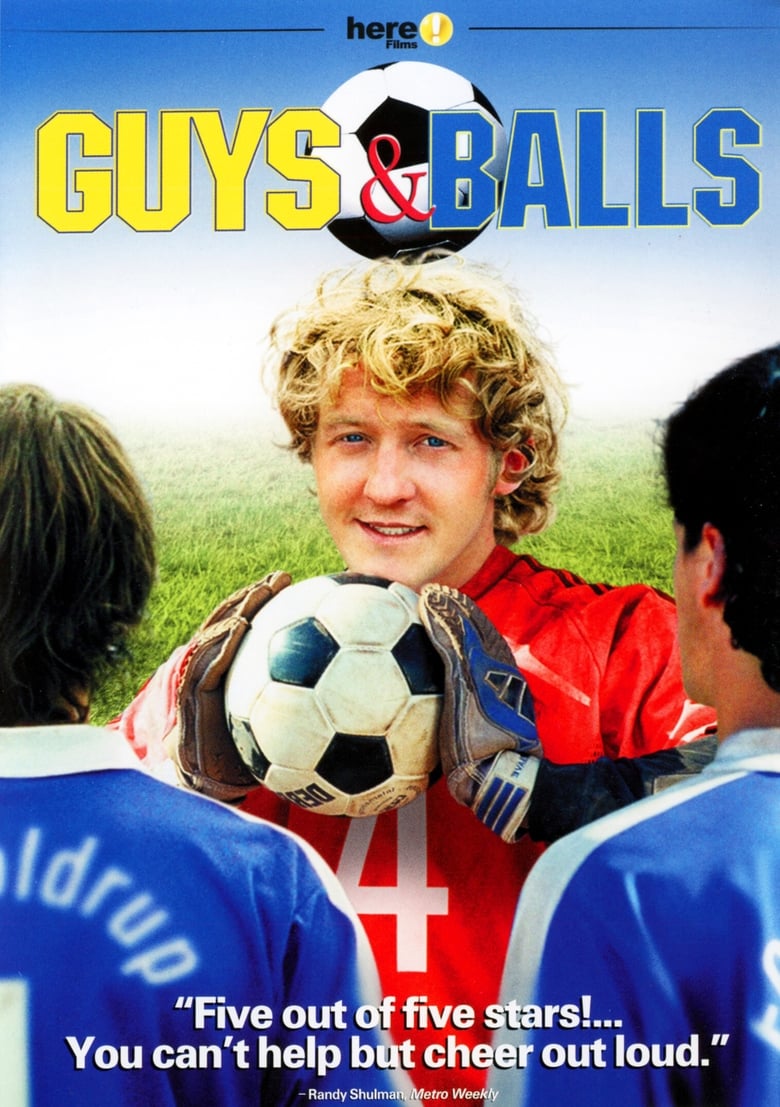
2004
Director
Sherry Hormann
Runtime
106 minutes
Average Rating
No ratings yetSynopsis
Ecki is a sweet, closeted gay man who works in his family’s bakery and plays goalie in his small town’s soccer team. When he both loses the big game, and is caught flirting with another player, his homophobic teammates throw him out. He vows to return one day with an all-gay team that will grind the heteros into the dust, so he sets off to find his “dream team.” With the help of his nurse sister, Ecki scours local gay bars and eventually assembles a hilariously motley but endearing crew of misfits that includes a leather-daddy threesome, a femme Turk with Beckham fantasies, a secret straight guy in love with the sister, and a seriously cute nurse eager for some private play-time with the goalie. Ecki now has two problems – turning this bunch into a team, and facing his own fears regarding his first romance.
Overall Score
Good
Category Breakdown
LGBTQ+ Representation
The film centers a gay protagonist and his community rather than treating queer identities as peripheral. It critiques heteronormativity by depicting homophobic behavior in sports and includes diverse archetypes, from leather subcultures to varied expressions of masculinity.
Gender Representation
The story subverts traditional hierarchies by placing queer identities within the hyper-masculine arena of rugby. While the cast is male-centric, female characters like the protagonist's sister act as essential agents for his self-actualization.
Racial & Ethnic Diversity
Intersectionality is introduced through characters like a femme Turk with Beckham fantasies. While the cast focuses heavily on the gay male experience, these diverse backgrounds prevent a strictly Anglo-centric perspective.
Religious & Cultural Diversity
The narrative emphasizes the formation of 'chosen family' over traditional biological or institutional structures. It prioritizes personal authenticity and community-based morality over restrictive religious or traditionalist frameworks.
Disability Representation
There is no significant evidence of characters with visible or invisible disabilities driving the narrative. The film does not appear to utilize disability as a central theme.
Strengths
Areas for Improvement
AI Analysis
Sherry Hormann delivers a sophisticated piece of queer cinema that reclaims traditionally heteronormative spaces through a progressive lens. By centering the narrative on a gay protagonist's journey to build a 'dream team,' the film successfully disrupts conventional associations between athletic prowess and masculinity. The film excels in its nuanced portrayal of the LGBTQ+ community, moving beyond monolithic stereotypes to include various subcultures. This intentionality elevates the work from a simple comedy to a meaningful critique of systemic social intolerance. While the film is highly effective in its queer storytelling, it remains largely male-centric and lacks significant representation of disability or deep ethnic breadth. However, its focus on intersectionality and chosen family provides a strong foundation for identity-driven narrative.
2011

2007

2020

1998
1998
1999
2005
2005

2022

2010
2004

2017
No reviews yet. Be the first to share your thoughts on this movie!
Use the rating form above to leave a star rating and optional review.