Eating Out
2004
No user ratings available yet
Representation score: 8.7 out of 10
Representation Score
Excellent
2011
Not RatedDirector
Q. Allan Brocka
Runtime
82 minutes
Average Rating
No ratings yetNew Showbiz Analysis
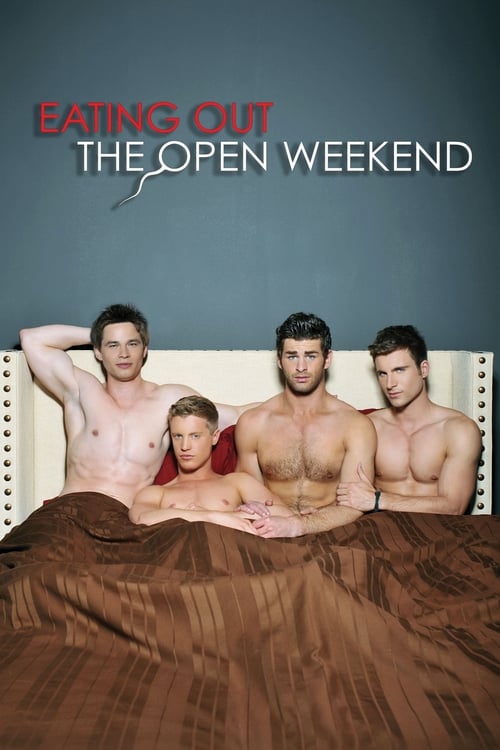
Eating Out: The Open Weekend succeeds as a specialized exploration of queer relational structures. By centering the narrative on a gay getaway, the film establishes a world where non-straight relationships are the foundational norm rather than a peripheral element. The film effectively challenges traditional romantic archetypes by critiquing monogamous frameworks. It moves away from mainstream cinematic norms to focus on the complexities of modern relationship experimentation and identity navigation. However, the film lacks broad multi-layered breadth. While it excels in queer-centric storytelling, it offers limited depth regarding racial diversity and disability representation.
Category Breakdown
The film centers entirely on queer identities, making them the primary drivers of the plot. It explores same-sex intimacy and the nuances of dating through the lens of non-monogamous relationship experimentation.
By focusing on same-sex pairings, the film deconstructs traditional masculine and feminine binaries. The ability to act is distributed among male protagonists, moving away from clichés where women act as the sole arbiters of conflict.
The narrative prioritizes sexual orientation and relationship ethics over a broad spectrum of the way different parts of someone's identity overlap. This focus limits the depth of racial representation within the primary cast.
The story adopts a postmodern approach to morality, prioritizing individual ability to act and situational ethics. The Palm Springs setting functions as a secular enclave focused on personal liberation.
The film focuses almost exclusively on the interpersonal romantic dynamics of an able-bodied cast. There is no significant evidence of disability or neurodivergent representation.
Present on Screen
Limited or Absent
Official Synopsis
Sexy couple Zack and Benji decide to have an “open” weekend to partake in the smorgasbord of available men on their vacation to a gay getaway in Palm Springs. When Zack runs into his ex-boyfriend Casey at the resort, they both do their best to look like they are having a good time. How could they not, when they are surrounded by cute, frisky guys with six-packs and very little clothing?
2004
1999

2010
1978
2005

2022
1999

2011
No reviews yet. Be the first to share your thoughts on this movie!
Use the rating form above to leave a star rating and optional review.