Group Sex
2010
No user ratings available yet
Representation score: 5.6 out of 10
Representation Score
Excellent
2007
UnratedDirector
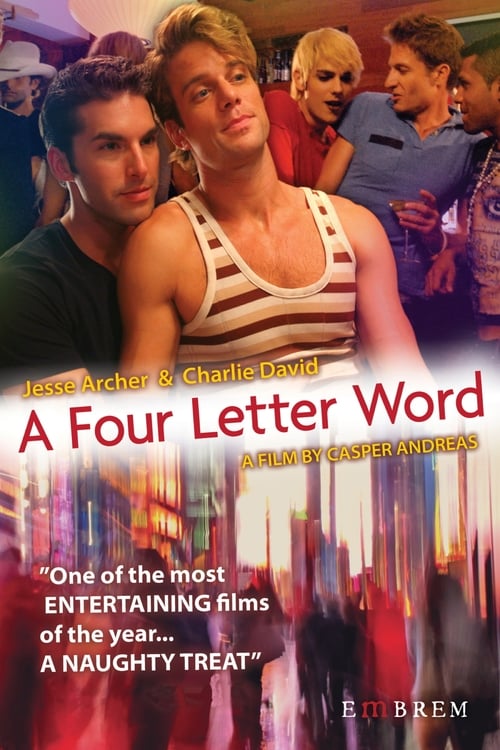
Casper Andreas
Runtime
87 minutes
Average Rating
No ratings yetNew Showbiz Analysis
A Four Letter Word is a character-driven study that prioritizes the lived experiences of queer individuals and identity-driven conflicts. By focusing on characters navigating subcultures and interpersonal friction, it successfully disrupts traditional storytelling structures centered around straight relationships. The film excels at deconstructing traditional masculinity by highlighting emotional vulnerability and psychological complexity. It presents a postmodern exploration of urban life, emphasizing the intricacies of intimacy and individual morality. However, the film lacks clear evidence of racial diversity, focusing instead on socioeconomic status and sexual identity. Additionally, while it addresses mental health and recovery, these elements may serve more as plot catalysts than deep explorations of disability.
Category Breakdown
The film centers around the relationship between Zeke and Luke, exploring tensions between political activism and personal expression within the queer community.
The narrative challenges traditional masculine stereotypes by emphasizing emotional vulnerability and psychological complexity rather than strength or dominance.
While set in New York, the film focuses more on socioeconomic status and sexual identity, lacking diverse racial narratives or non-white majority casting.
The story emphasizes personal authenticity and individual psychological struggles over traditional religious guidance, leaning towards a secular perspective.
The film touches on mental health and neurodivergent behaviors through Peter’s compulsiveness and Marilyn’s alcoholism, though it is unclear if these traits fully empower the characters.
Present on Screen
Limited or Absent
Official Synopsis
Six people in New York are adrift. Zeke and Luke work in a sex shop: Zeke takes gay liberation seriously, Luke likes to sparkle and takes nothing seriously. He's offended when Stephen calls him a gay cliché, then, surprisingly, they find each other attractive and interesting. Stephen, it turns out, has a great apartment, trust fund, and artwork he's painted on his walls. Meanwhile, Peter, a neat-freak, and Derek, nice to everyone, move in together. Peter's compulsiveness threatens the relationship. Last, newly-engaged Marilyn, a recovering alcoholic stuck at step 2, can't stop obsessing about wedding details. Can these folks sort out civilization and its discontents?
2010

2000

2004
1969
1994
1997
2010
2011
No reviews yet. Be the first to share your thoughts on this movie!
Use the rating form above to leave a star rating and optional review.