The Story of O
1975
No user ratings available yet
Representation score: 3.6 out of 10
Representation Score
Limited
1974
RDirector
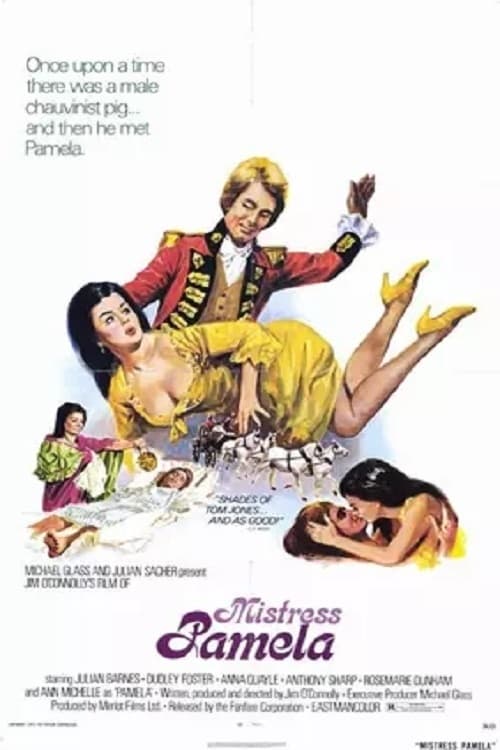
Jim O'Connolly
Runtime
91 minutes
Average Rating
No ratings yetNew Showbiz Analysis
Mistress Pamela reimagines a classic literary tale by shifting the focus from moral purity to psychological ability to act. While the film lacks demographic breadth, it succeeds in challenging traditional gender clichés. By centering on the protagonist's ability to manipulate her social environment, the film questions established class structures. Ultimately, the film explores situational ethics, trading the traditional 'virtue rewarded' theme for a modern, transgressive look at navigating oppressive social hierarchies.
Category Breakdown
The film focuses on power dynamics between the protagonist and aristocratic men, assuming everyone is straight. There are no queer narratives or non-cisgender identities present.
Pamela challenges traditional gender roles by taking a leading role in driving the story. She uses psychological and sexual dominance to navigate her environment and defy submissive femininity.
The cast reflects the homogeneous social structures of 18th-century British aristocracy, with no significant non-white representation.
The narrative deconstructs traditional Christian morality by embracing moral relativism. It critiques the aristocratic system as a site of predatory behavior rather than institutionalized virtue.
The film provides no specific portrayal of physical or neurodivergent disabilities.
Present on Screen
Limited or Absent
Official Synopsis
Loosely bases on Samuel Richardson's novel Pamela or Virtue Rewarded, this is the story of Pamela who goes to work in the kitchen of Lord Devenish who is determined to rape her.
1975
1967

1964
1964

1976
1977

2016
2015
No reviews yet. Be the first to share your thoughts on this movie!
Use the rating form above to leave a star rating and optional review.