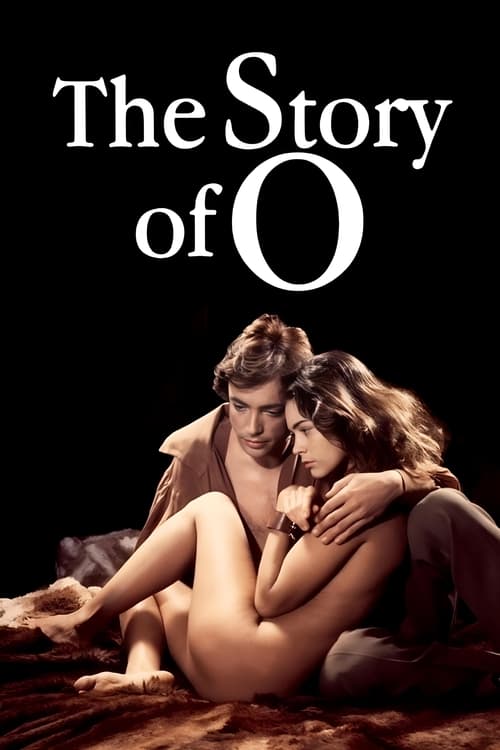
The Story of O
1975
No user ratings available yet
Representation score: 3.6 out of 10
Representation Score
Fair
1969
RDirector
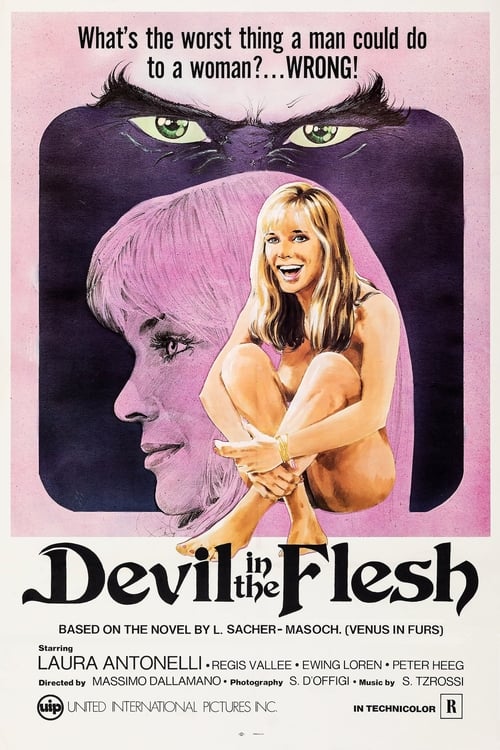
Massimo Dallamano
Runtime
87 minutes
Average Rating
No ratings yetNew Showbiz Analysis
Massimo Dallamano’s adaptation is a specialized psychological study that excels in its subversion of gendered power. By allowing the female protagonist to dominate the male lead, the film challenges patriarchal norms and provides a complex look at ability to act. However, the film is limited by a lack of diverse representation. The narrative remains confined to a homogeneous European demographic, offering almost no representation for racial or LGBTQ+ identities. This narrow focus prevents a broader social dialogue. Ultimately, while the film pushes boundaries regarding morality and gendered control, its lack of diversity in other key areas results in a specialized, rather than inclusive, cinematic experience.
Category Breakdown
The film focuses solely on heterosexual relationships and does not include any LGBTQ+ identities, non-binary characters, or queer-coded narratives. Sexual tension is centered around the male and female leads.
Wanda exerts psychological and sexual control over Severin, subverting traditional gender hierarchies. This reversal of expected gendered power balances offers a progressive depiction of women's ability to drive the story.
The production features a largely homogeneous cast reflecting the era's cinematic constraints. There is no significant non-white representation or racial blending within the primary character arcs.
The narrative adopts a stance of moral relativism by prioritizing subjective desire over traditional religious or social ethics. It frames unconventional behaviors as psychological exploration rather than moral failings.
Psychological instability and childhood trauma serve primarily as plot devices to drive erotic tension. Characters with disabilities are not portrayed with independent ability to act or as nuanced figures.
Present on Screen
Limited or Absent
Official Synopsis
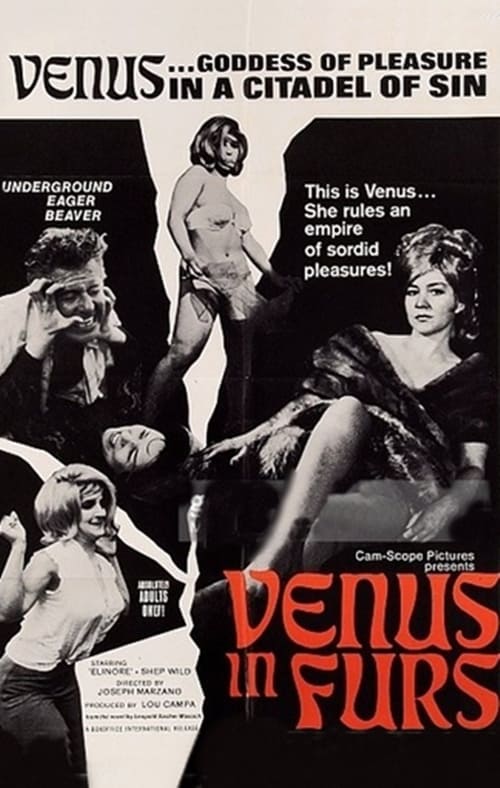
Based on the infamous novel by Leopold Sacher-Masoch this fine film follows the perverted passions of a young couple as Severin watches the beautiful Wanda writhing naked amongst furs. His disturbing peeping tomism triggers off a whirlpool of emotions due to a childhood episode which punishes voyeurism with pain.
1975
1989
1979
1976
2016

1972
1973
1967
No reviews yet. Be the first to share your thoughts on this movie!
Use the rating form above to leave a star rating and optional review.