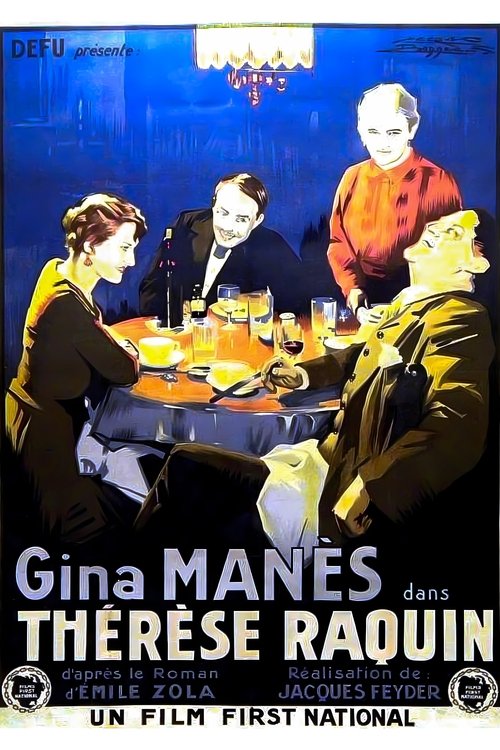
Thérèse Raquin
1928
No user ratings available yet
Diversity score: 4.5 out of 10
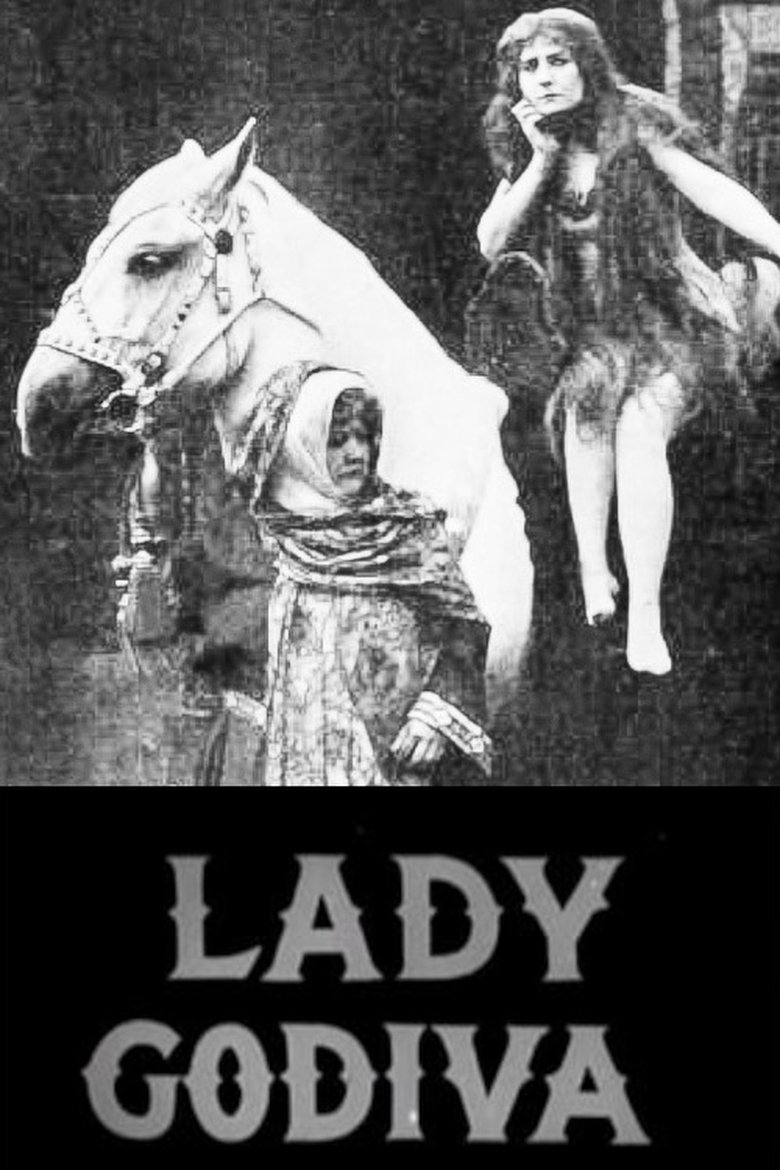
1911
NRDirector
J. Stuart Blackton
Runtime
10 minutes
Average Rating
No ratings yetSynopsis
The story of how Lady Godiva came to ride naked through the streets of Coventry.
Overall Score
Limited
Category Breakdown
LGBTQ+ Representation
The film lacks any depictions of non-heteronormative identities. Interpersonal dynamics focus strictly on the traditional marital bond between Godiva and Leofric.
Gender Representation
Godiva serves as the primary moral and political agent, subverting typical domestic femininity. She uses her body as a tool of protest to challenge her husband's authority.
Racial & Ethnic Diversity
The production features a homogeneous European cast. There is no evidence of racial blending or non-Anglo-Saxon representation within this historical setting.
Religious & Cultural Diversity
The narrative critiques feudal socioeconomic structures and centralized authority. It prioritizes individual morality over the dictates of oppressive institutional power.
Disability Representation
No visible or invisible disabilities are portrayed as central to the character arcs or the plot progression.
Strengths
Areas for Improvement
AI Analysis
Lady Godiva (1911) is a product of its era, characterized by a lack of racial and LGBTQ+ intersectionality. The film's cast is entirely homogeneous, reflecting the production standards of early silent cinema. However, the film offers significant progressive value through its treatment of gender. By positioning the female protagonist as a catalyst for social relief against an oppressive male authority, the narrative disrupts traditional power hierarchies. Ultimately, the film's strength lies in its anti-authoritarian themes. It uses a singular act of radical vulnerability to challenge systemic hardship and feudal taxation.
1928
1934

1969
1917
1974

1916

1930
1975

1969

1969

1921
1915
No reviews yet. Be the first to share your thoughts on this movie!
Use the rating form above to leave a star rating and optional review.