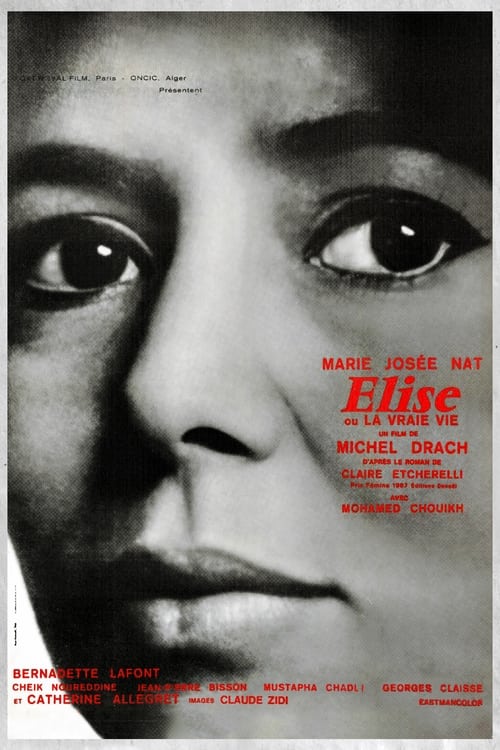
Elise, or Real Life
1970
No user ratings available yet
Representation score: 6.8 out of 10
Representation Score
Limited
1960
Director
Michel Drach
Runtime
95 minutes
Average Rating
No ratings yetNew Showbiz Analysis
The film stands out as a significant period piece by centering a Black protagonist from Martinique. By giving him a leading role, the story challenges the typical white-centric protagonist models common in 1960s cinema. However, the film still follows traditional social and gender frameworks of its time. While the protagonist's outsider status adds depth, the female characters and romantic structures remain conventional. The film’s strength lies in its exploration of racial identity and displacement, while it adheres to standard dramatic structures regarding gender and social order.
Category Breakdown
The film does not include any LGBTQ+ characters or narratives. Romantic tension is limited to a heterosexual relationship between the protagonist and a married woman.
Female characters play key roles in driving the emotional stakes but mostly operate within domestic and romantic contexts. Gender power dynamics adhere to traditional 1960s social hierarchies.
The film centers around a Black protagonist from Martinique who plays a significant role in driving the story. It delves into his experiences of displacement and the complexities of interracial relationships in France.
The narrative examines the tension between personal desires and strict French social norms. It hints at the historical impact of colonial ties between islands and the mainland.
There are no visible or invisible disabilities portrayed as central to the character arcs or the narrative development.
Present on Screen
Limited or Absent
Official Synopsis
The hero is a black man from Martinique who feels nostalgic for his island and is on his own in France. He falls in love with an au pair girl but has a love affair with a married woman, Mrs Courtalès. He kills the husband in self-defense. But eight months later, he is arrested by the Police. Philippe's fate depends on a child's birth. It will not be what he's expecting.
1970
1960
1969

1937

1978

1960
1969
1959
No reviews yet. Be the first to share your thoughts on this movie!
Use the rating form above to leave a star rating and optional review.