The Other Shore
1997
No user ratings available yet
Representation score: 6.2 out of 10
Representation Score
Good
1970
Director
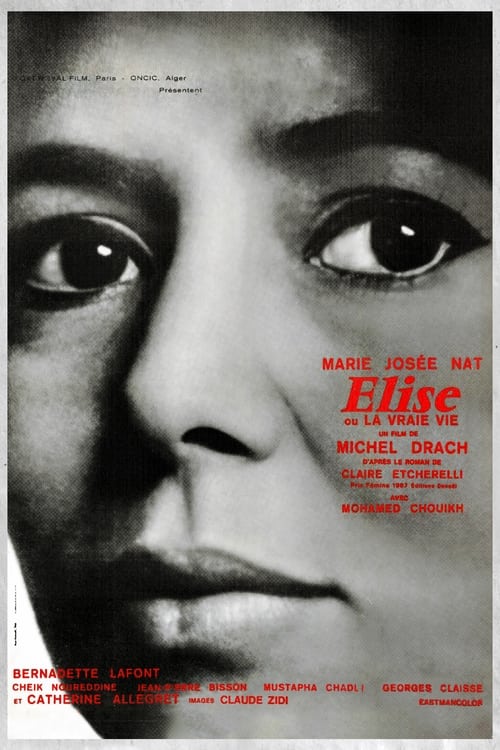
Michel Drach
Runtime
104 minutes
Average Rating
No ratings yetNew Showbiz Analysis
Michel Drach’s work provides a sharp critique of systemic oppression by intertwining personal struggle with political upheaval. The film succeeds in elevating underrepresented voices, particularly through its portrayal of Algerian political ability to act and the subjective reality of mental health. By centering the narrative on Élise’s autonomy and Arezki’s activism, the film challenges both patriarchal and colonial hierarchies. It moves beyond simple character study to offer a profound look at how institutions exert power over individuals. While the film lacks queer representation, its depth in exploring racial, gender, and neurodivergent experiences creates a robust and socially conscious cinematic experience.
Category Breakdown
The story focuses on the heterosexual romance between Élise and Arezki. There are no queer identities or narratives that challenge the assumption that everyone is straight or cisgender.
The film centers on a woman's internal psychological reality rather than her utility to men. Élise plays a significant role in driving the story and navigating patriarchal social and medical structures.
By centering an Algerian nationalist, the film disrupts Eurocentric perspectives. It highlights systemic state repression against Algerians during the Algerian War.
The narrative critiques Western institutions, such as the psychiatric establishment, as dehumanizing. It frames the state as an oppressive force against colonial hegemony.
Mental health is treated as a complex component of identity rather than a spectacle. The film explores the alienation caused by institutionalization.
Present on Screen
Limited or Absent
Official Synopsis
In the middle of the Algerian war, Elise, from Bordeaux, “goes” to Paris to join her brother to earn her living in an automobile factory. There she meets Arezki, an Algerian nationalist activist with whom she falls in love. A chronicle of working life at the time and which highlights the extent of police repression against Algerians.
1997
1966

1999
1963
1979
1995

2000
2022
No reviews yet. Be the first to share your thoughts on this movie!
Use the rating form above to leave a star rating and optional review.