
Brahmāstra Part One: Shiva
2022
No user ratings available yet
Representation score: 5.7 out of 10
Representation Score
Limited
2017
Not RatedDirector
S. S. Rajamouli
Runtime
167 minutes
Average Rating
No ratings yetNew Showbiz Analysis
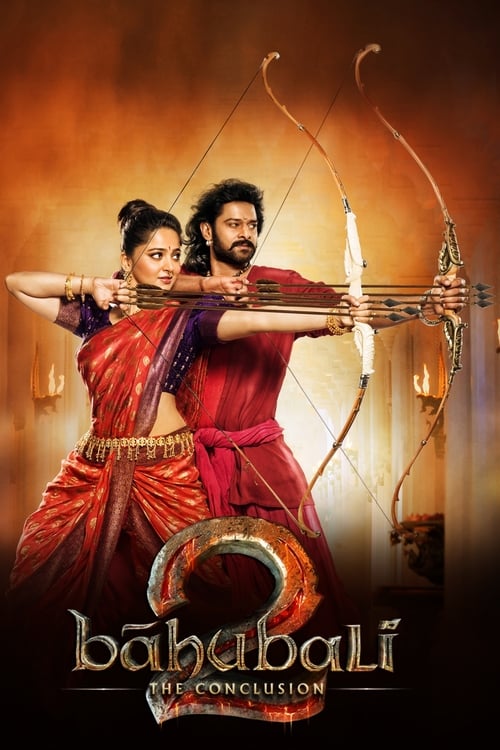
Bāhubali 2: The Conclusion excels as a traditionalist epic that prioritizes the hero's journey and cosmic order. Its primary strength lies in subverting gendered power dynamics, giving women significant roles and intellectual weight within a classical framework. However, the film remains deeply rooted in moral absolutism and traditional family structures. It lacks representation of LGBTQ+ identities and disabilities, resulting in a narrow social scope. While it offers a rich tapestry of regional archetypes, it celebrates duty and righteousness rather than deconstructing social norms.
Category Breakdown
The film adheres to traditional epic structures and focuses on heterosexual relationships. It does not include any representation of non-binary gender identities or same-sex relationships.
Sivagami and Devasena are central female figures who hold significant political and martial authority. The film grants women substantial roles and intellectual weight, challenging the stereotype of passive females.
The film showcases a variety of regional archetypes and a diverse cast within its cultural context. It avoids homogeneity by presenting a complex social hierarchy and diverse social roles.
The story emphasizes traditional values such as duty, lineage, and loyalty. It focuses on the internal morality of a sovereign state without critiquing broader societal structures.
There are no prominent depictions of visible or invisible disabilities. No character arcs are defined by neurodivergence or physical impairments.
Present on Screen
Limited or Absent
Official Synopsis
When Mahendra, the son of Bāhubali, learns about his heritage, he begins to look for answers. His story is juxtaposed with past events that unfolded in the Mahishmati Kingdom.
2022
2018
2023
2009
2015
1991
2025
2016
No reviews yet. Be the first to share your thoughts on this movie!
Use the rating form above to leave a star rating and optional review.