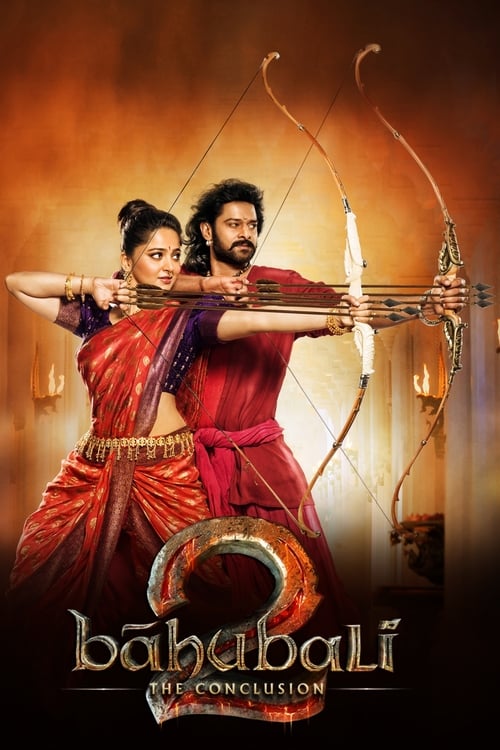
Bāhubali 2: The Conclusion
2017
No user ratings available yet
Representation score: 3.0 out of 10
Representation Score
Fair
2025
Director
Karthik Ghattamaneni
Runtime
166 minutes
Average Rating
No ratings yetNew Showbiz Analysis
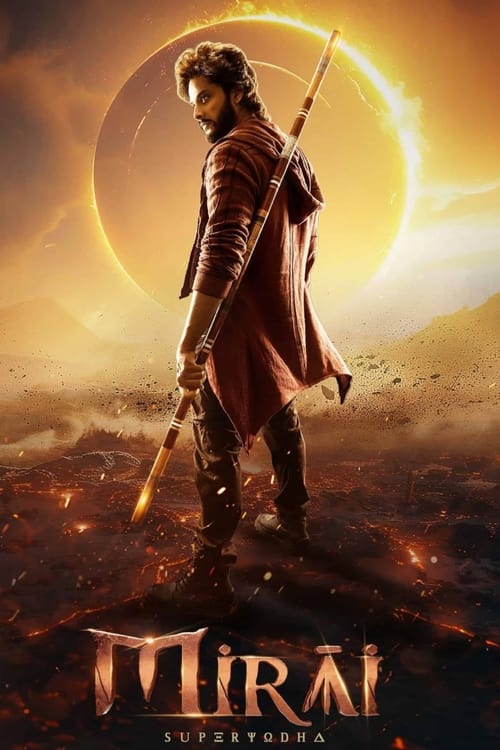
Mirai stands out by grounding its fantasy in specific Indian historical and spiritual contexts, avoiding the color-blind approach common in global fantasy. The film uses the Maurya Dynasty and ancient scriptures as central plot drivers, asserting cultural richness and depth. Thematically, the film delves into moral relativism and rejects imperialist violence, while also subverting traditional gender hierarchies through a female spiritual guide. However, it lacks representation for LGBTQ+ identities and characters with disabilities, sticking to conventional social identity norms. Overall, Mirai offers a culturally rich reclamation of history but does not serve as a broad social commentary.
Category Breakdown
The film focuses on a heterosexual relationship between Vedha and Vibha, without exploring any queer identities or non-straight relationships.
Vibha, a spiritual leader, holds significant influence and guides the hero's journey, showcasing her active role rather than a passive one.
The story centers around the Maurya Dynasty and the Kalinga War, providing a culturally specific and non-Western historical context that avoids typical Western fantasy clichés.
The narrative examines the morality of war through Emperor Ashoka's transformation to peace, presenting power as a systemic burden rather than a tool for imperialist conquest.
There is no discernible mention of characters with visible or invisible disabilities in the plot details provided.
Present on Screen
Limited or Absent
Official Synopsis
Following the historic Kalinga battle, where King Ashoka of the Maurya dynasty emerged as the winner, he chose to walk the path of peace instead of continuing warfare. Yet, the kingdom appointed nine warriors to protect some ancient scriptures rumored to have the ability to make someone divine or godlike.
2017
2001
2023

2019
2021
2023
2016

2022
No reviews yet. Be the first to share your thoughts on this movie!
Use the rating form above to leave a star rating and optional review.