
Chaahat
1996
No user ratings available yet
Diversity score: 2.8 out of 10
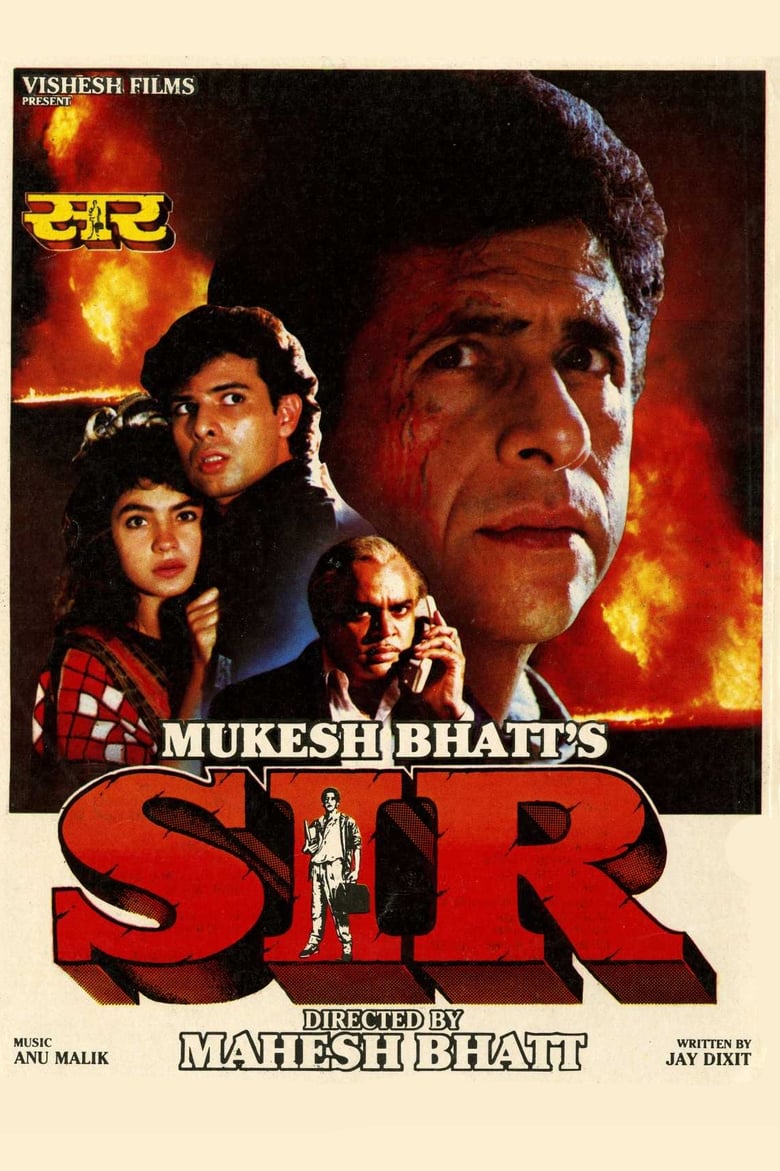
1993
Director
Mahesh Bhatt
Runtime
151 minutes
Average Rating
No ratings yetSynopsis
Sir is a 1993 Bollywood film directed by Mahesh Bhatt starring Naseeruddin Shah, Pooja Bhatt, Atul Agnihotri and Paresh Rawal.
Overall Score
Limited
Category Breakdown
LGBTQ+ Representation
The film adheres to the heteronormative frameworks common in early 1990s Indian cinema. It offers no evidence of non-cisnormative identities or same-sex intimacy.
Gender Representation
While the female protagonist is central, the plot relies heavily on tropes of female sacrifice. Her agency is often defined by her response to male characters rather than independent subversion.
Racial & Ethnic Diversity
The film features a culturally homogeneous South Asian cast that avoids Western-centric casting. It centers indigenous identities and local socioeconomic realities authentically.
Religious & Cultural Diversity
The narrative functions as a traditional melodrama emphasizing familial duty and moral sentimentality. It reinforces social cohesion and interpersonal bonds rather than critiquing institutions.
Disability Representation
There is no prominent depiction of physical or neurodivergent disabilities. Characters appear to function within able-bodied norms throughout the story.
Strengths
Areas for Improvement
AI Analysis
Sir is a product of its era, prioritizing emotional melodrama and traditional social structures. While it explores intense interpersonal dynamics, it does so through a lens that reinforces conventional gender roles and heteronormative ideals. The film excels in cultural authenticity, centering South Asian identities without Western-centric bias. However, it lacks progressive intersectional elements or systemic critiques found in more subversive cinema. Ultimately, the narrative architecture favors established hierarchies and traditionalist storytelling modes over the disruption of social norms.
1996
1972
2000
1992

1999
2002
1995

1996
2010

1995
1991
1989
No reviews yet. Be the first to share your thoughts on this movie!
Use the rating form above to leave a star rating and optional review.