The House of Gaunt
2021
No user ratings available yet
Representation score: 4.0 out of 10
Representation Score
Fair
2020
Director
The Chau Ngo
Runtime
90 minutes
Average Rating
No ratings yetNew Showbiz Analysis
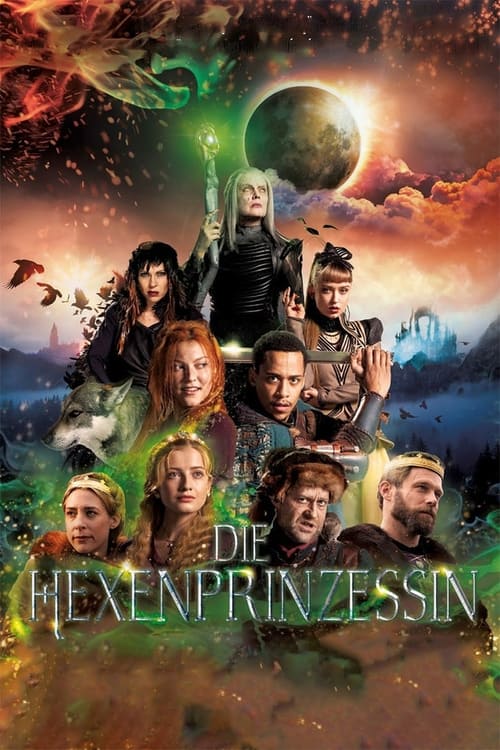
Die Hexenprinzessin stands out for its subversion of high-fantasy clichés, focusing on the instability of identity and the deconstruction of inherited power. The narrative moves away from traditional royal succession, instead centering on a protagonist who rejects social hierarchies to find autonomy in the natural world. While the film excels in portraying women's ability to drive the story and challenging institutional norms, it lacks specific information regarding racial and disability representation. This creates a gap in the overall assessment of the film's inclusivity. Ultimately, the film's strength lies in its thematic depth regarding identity and its refusal to adhere to conventional gendered social roles.
Category Breakdown
The story explores identity fluidity through body-swapping and blurred biological identities. While romantic orientations remain unstated, the narrative hints at non-traditional connections and an instability of the self.
Zottelhaube rejects traditional domesticity and noble expectations in favor of autonomy. The plot centers on women's ability to drive the story, as she leads the rescue mission rather than relying on male protection.
The fantasy setting allows for diverse casting, but the narrative provides no specific details regarding the ethnic composition of the characters or the world's visual symbols.
The film deconstructs the sanctity of monarchy and rigid royal lineages. It prioritizes mystical elements and subjective morality over structured, state-sanctioned religious or institutional frameworks.
The provided narrative overview contains no mention of neurodivergence, physical disabilities, or mental health conditions.
Present on Screen
Limited or Absent
Official Synopsis
Amalindis, the first-born of the two royal twins, is dutiful and agrees to marry Prince Tanka. Zottelhaube, on the other hand, the second-born, does not feel connected to her nobility, but to the great outdoors and a wolf - and lives in the forest. Suddenly, three witches kidnap Amalindis, as the first-born can be a witch herself. The witches see this as a prerequisite for the eldest of them being able to rejuvenate herself in order to survive: she will slip into the body of Amalindis for the next solar eclipse! "Zottel" suspects that time is running out before this transformation. Reluctant to go with Tanka, who is determined to accompany her, she sets off on the dangerous journey to rescue her sister. She has no idea that she, of all people, will fall in love in the process. And she has no idea that it will soon be in question who is actually the first-born and therefore the one with powerful witchy abilities.
2021

2008
2014

2020
2016
2024
2013
2018
No reviews yet. Be the first to share your thoughts on this movie!
Use the rating form above to leave a star rating and optional review.