
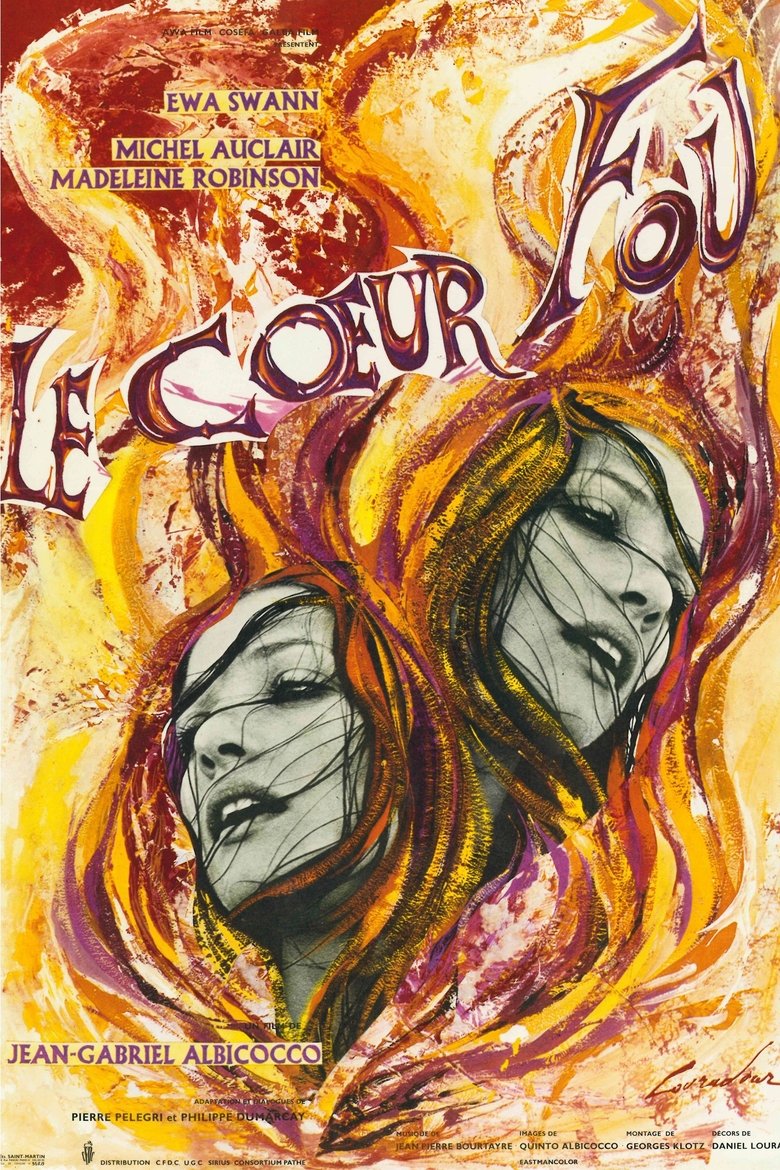
A Flame in My Heart
1987
No user ratings available yet
Diversity score: 4.8 out of 10
1970
Director
Jean-Gabriel Albicocco
Runtime
96 minutes
Average Rating
No ratings yetSynopsis
Serge Menessier has been paid to shoot a reportage on his ex-wife's depression. Now remarried, he has accepted the job to pay his debts and maybe because he is still in love with her, a famous actress whose career he contributed to launch.
Overall Score
Limited
Category Breakdown
LGBTQ+ Representation
The film lacks non-heteronormative identities or narratives that challenge traditional norms. The central conflict relies on a conventional romantic history between a man and his ex-wife.
Gender Representation
A female character serves as the emotional center of the story. However, her experience is framed through a male lens, as a man documents her mental state.
Racial & Ethnic Diversity
The production appears to follow a conventional mid-century European model. There is no evidence of a diverse or non-Anglo-Saxon majority cast.
Religious & Cultural Diversity
The narrative focuses on individual psychological struggles and economic pressures like debt. It avoids systemic critiques of Western institutions or religious structures.
Disability Representation
Depression is a central plot element, suggesting a focus on psychological portraiture. It remains unclear if the character maintains agency or if the condition serves as a device.
Strengths
Areas for Improvement
AI Analysis
The film operates as a traditional psychological drama centered on interpersonal relationships and mental health. While it provides a focused look at depression, the narrative structure remains rooted in conventional social dynamics. The story lacks intersectional depth, as the central conflict is viewed through a male perspective and the setting suggests a homogeneous European cast. It prioritizes individual emotional history over broader social or systemic critiques. Ultimately, the film functions as a character study that lacks the intentional disruption of social hierarchies necessary for a higher diversity rating.
1987
1962

1965

1976

1972
1960

1982
1970

1992
1979
1963
1973
No reviews yet. Be the first to share your thoughts on this movie!
Use the rating form above to leave a star rating and optional review.