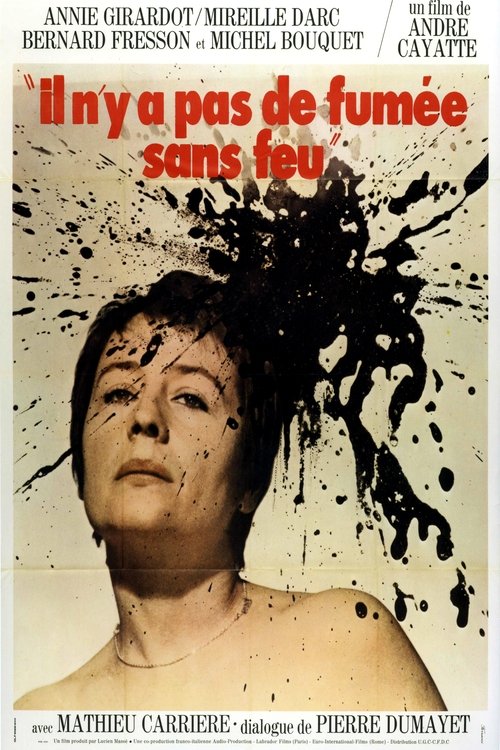
Woman of the Lake
1966
No user ratings available yet
Representation score: 5.9 out of 10
Representation Score
Fair
1973
Director
André Cayatte
Runtime
120 minutes
Average Rating
No ratings yetNew Showbiz Analysis
André Cayatte’s drama prioritizes the deconstruction of social and institutional stability over demographic inclusivity. It functions as a psychological study of systemic failure, examining the friction between generational authority and youth autonomy. The film achieves its progressive stance through narrative skepticism rather than representation. It challenges the perceived infallibility of Western institutions and explores the breakdown of traditional authority. Ultimately, the work frames the chaos of a younger generation as a direct response to the failures of the established social order.
Category Breakdown
The film does not explicitly depict LGBTQ+ identities or relationships that challenge the assumption that everyone is straight. Hidden desires and social scandals are explored, but not specifically as queer narratives.
Gender dynamics focus on the disruption of domestic stability through a scandal involving a female figure. While the idealized family unit is deconstructed, the female character's actions are more influenced by social consequences than proactive subversion.
The story stays within the demographic boundaries of a localized French village. There is no indication of diverse casting or intentional racial blending to challenge the era's social norms.
The film critiques Western ideals like family sanctity and political integrity. It portrays these institutions as fragile and susceptible to corruption, using moral relativism to obscure the truth.
There is no significant evidence of characters with visible or invisible disabilities. The narrative focuses on psychological tension and social dynamics rather than lived experiences of disability.
Present on Screen
Limited or Absent
Official Synopsis
An election campaign becomes more interesting when anonymously published photographs depict the wife of a candidate, Dr. Peyrac, attending a sex party. Are the photographs fake or genuine ?
1966
1969

1976

1943
1973
1980

1978

1971
No reviews yet. Be the first to share your thoughts on this movie!
Use the rating form above to leave a star rating and optional review.