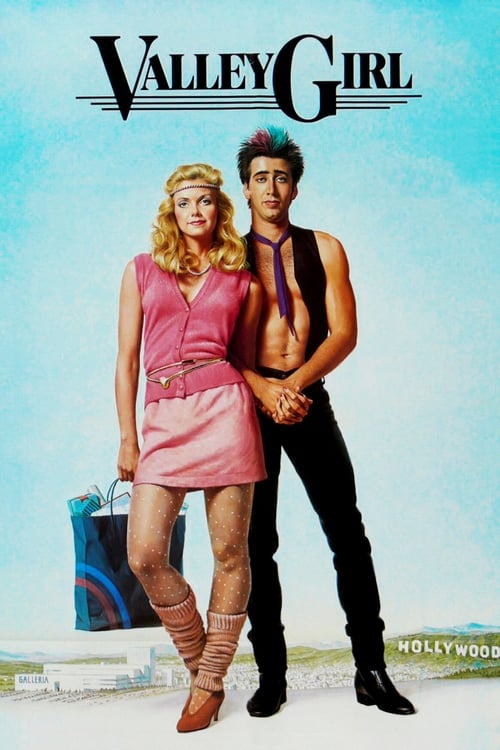
Valley Girl
1983
No user ratings available yet
Representation score: 3.4 out of 10

Representation Score
Fair
1990
PG-13Director
John Waters
Runtime
85 minutes
Average Rating
No ratings yetNew Showbiz Analysis
Cry-Baby is a postmodern deconstruction of 1950s Americana, using humor and satire to challenge social hierarchies. Its strength lies in presenting the 'outsider' as a figure of empowerment against oppressive, conformist institutions. However, the film's social critique is limited to class and style, lacking exploration of racial or ethnic diversity. While it challenges traditional gender roles through its female lead, it does not include explicit LGBTQ+ representation or disability narratives. Ultimately, the film is a study of subcultural rebellion that emphasizes stylistic non-conformity over a broad range of identity-based inclusion.
Category Breakdown
The film features a relationship that aligns with traditional heterosexual norms, but it includes elements that celebrate outsiders and reject conformity.
Allison challenges 1950s stereotypes by rejecting her traditional upbringing and embracing a rebellious subculture. She plays a significant role in driving the story and defying conventional gender roles.
The story focuses on socioeconomic divisions among different groups rather than diverse ethnic backgrounds. It primarily centers on the experiences of white Americans during the mid-20th century.
The film effectively critiques strict social rules and parental authority. It portrays rebellion and deviation from norms as a form of artistic freedom.
There are no prominent depictions of visible or invisible disabilities that play a central role in the story or drive the plot.
Present on Screen
Limited or Absent
Official Synopsis
A prim and proper schoolgirl goes against her society grandmother's wishes when she dates a motorcycle-riding juvenile delinquent.
1983

1985

1978

1980
1986
1988

2000
1963
No reviews yet. Be the first to share your thoughts on this movie!
Use the rating form above to leave a star rating and optional review.