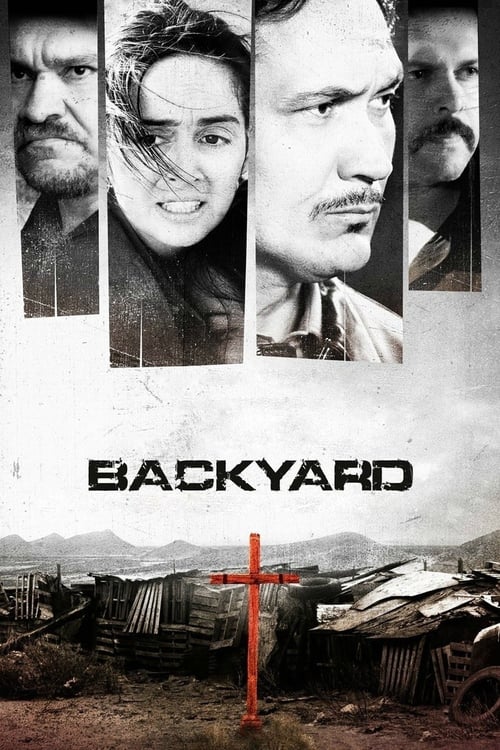
Backyard
2009
No user ratings available yet
Representation score: 6.6 out of 10
Representation Score
Fair
2014
TV-14Runtime
75 minutes
Average Rating
No ratings yetNew Showbiz Analysis
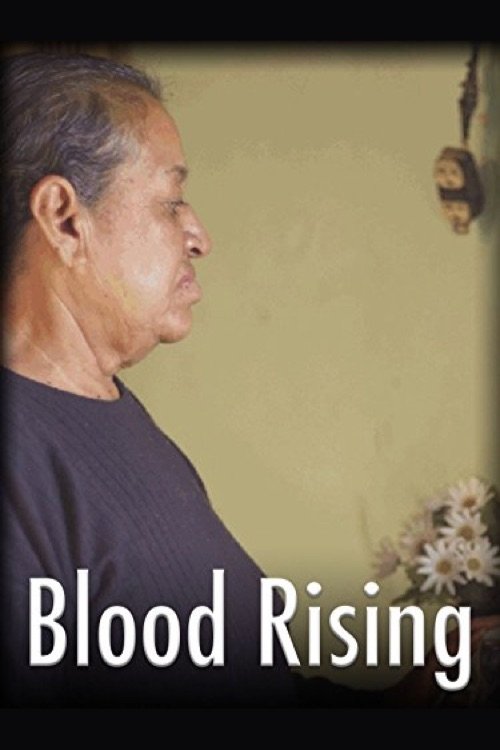
Blood Rising shifts the focus from law-enforcement clichés to a grassroots movement led by victims' families. It disrupts conventional depictions of authority by framing state institutions as complicit actors in a cycle of violence. The film excels at subverting gender hierarchies and centering Mexican voices. By highlighting the struggle of Ciudad Juarez, it challenges the systemic breakdown of the social contract and the failure of patriarchal structures. However, the narrative is narrow in its scope. It does not address LGBTQ+ identities or specific disability representation, focusing almost exclusively on the sociopolitical crisis of femicide.
Category Breakdown
The film does not include explicit representation of LGBTQ+ characters or narratives. It focuses on the sociopolitical crisis of femicide and maternal activism.
Women are portrayed who play a significant role in driving the story rather than as passive victims. The narrative positions mothers as the primary drivers of the plot and catalysts for political pressure.
The film centers the local Mexican population's struggle, avoiding Western savior clichés. It provides a necessary counter-narrative to homogeneous, Western-centric media portrayals of crime.
The work critiques institutional power by portraying the Mexican government and military as corrupt. It prioritizes grassroots truth over official state narratives and dogma.
There is no specific evidence regarding the portrayal of visible or invisible disabilities. The film focuses on the psychological trauma of loss instead.
Present on Screen
Limited or Absent
Official Synopsis
Ciudad Juarez is now the most dangerous city in the world. 438 young women were murdered there in 2010 and only 2 percent of the cases have been properly investigated. Their mothers have been ignored by the police, government, judiciary and the media. Nobody has listened to the people's cry for help and even though the Mexican government has sent in extra police and army they have become part of the problem, consumed by money, greed and drugs. The mothers have chosen to work with renowned artist, Brian Maguire, to communicate their stories to the outside world in the hope that the international pressure may bring some justice to their loss.
2009
2002
2006
2015
2020
2011

2019
1989
No reviews yet. Be the first to share your thoughts on this movie!
Use the rating form above to leave a star rating and optional review.