
The Lady of Silence: The Mataviejitas Murders
2023
No user ratings available yet
Representation score: 6.2 out of 10
Representation Score
Good
2020
TV-MADirector
Carlos Pérez Osorio
Runtime
109 minutes
Average Rating
No ratings yetNew Showbiz Analysis
The documentary goes beyond typical crime narratives to focus on the deconstruction of institutional power. By centering a female protagonist who actively challenges a corrupt, patriarchal system, the film highlights progressive ability to act. The work critiques established social institutions and emphasizes the struggle of individuals against systemic oppression, particularly highlighting the dysfunction of the Mexican judicial system. While the film excels in gender and cultural representation, it lacks engagement with LGBTQ+ identities and provides no information regarding disability representation.
Category Breakdown
The film focuses on a domestic tragedy between a mother and daughter, with no representation of LGBTQ+ identities.
Marisela Escobedo is portrayed as a strong, active protagonist who challenges patriarchal violence, avoiding the helpless mother stereotype.
The film centers on a Mexican narrative, emphasizing local cultural identity and avoiding a Western perspective.
The documentary critiques corrupt state and legal institutions, framing the pursuit of justice as a struggle against a dysfunctional social order.
There is no mention of physical or neurodivergent disabilities in the film.
Present on Screen
Limited or Absent
Official Synopsis
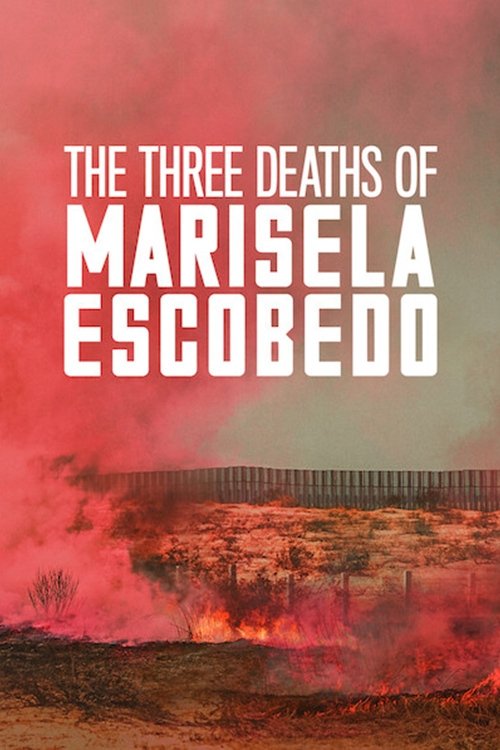
After the death of her daughter at the hand of her boyfriend, Marisela Escobedo began to fight for justice not only against the murderer but also against the corrupt Mexican judicial system.
2023

2002

2011

2015

2011

2020

2005

2008
No reviews yet. Be the first to share your thoughts on this movie!
Use the rating form above to leave a star rating and optional review.