8 Murders a Day
2011
No user ratings available yet
Representation score: 5.7 out of 10
Representation Score
Good
2006
Director
Alejandra Sánchez, José Antonio Cordero
Runtime
96 minutes
Average Rating
No ratings yetNew Showbiz Analysis
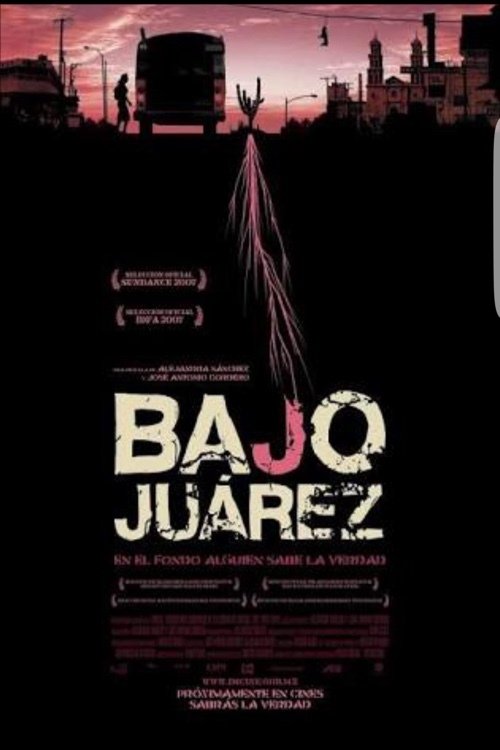
Bajo Juárez is a powerful social-realist documentary that shifts the focus of crime reporting from law enforcement to the victims. By centering the experiences of women in a Mexican border town, the film successfully challenges patriarchal structures and institutional corruption. The work excels in its localized ethnic representation and its critique of state power. It avoids Western-centric or 'outsider' viewpoints in its storytelling. However, the film's narrow investigative focus on gendered violence leaves little room for LGBTQ+ narratives or specific disability representation.
Category Breakdown
The documentary does not explicitly address LGBTQ+ identities or narratives that critique the assumption that everyone is straight or cisgender. It focuses on systemic violence against women in a specific socio-political context.
The narrative centers entirely on women facing extreme systemic violence. It positions the female experience as the primary driver of the story, disrupting traditional hierarchies.
The film provides high ability to act to a Mexican population in an industrial border town. It avoids Western-centric perspectives by documenting the specificities of local ethnic life.
The film critiques traditional Western and state institutions, portraying them as corrupt entities. It emphasizes the failures of capitalism and institutional authority in the community.
While the film addresses profound physical and psychological trauma, there is insufficient evidence to determine if specific disabilities are portrayed with central roles.
Present on Screen
Limited or Absent
Official Synopsis
In an industrial town in Mexico near the US border, hundreds of women have been sexually abused and murdered. As the body count continues to rise, a web of corruption unfolds that reaches the highest levels of Mexican society.
2011
2002

2022

2019

2019

2015
2017

2012
No reviews yet. Be the first to share your thoughts on this movie!
Use the rating form above to leave a star rating and optional review.