
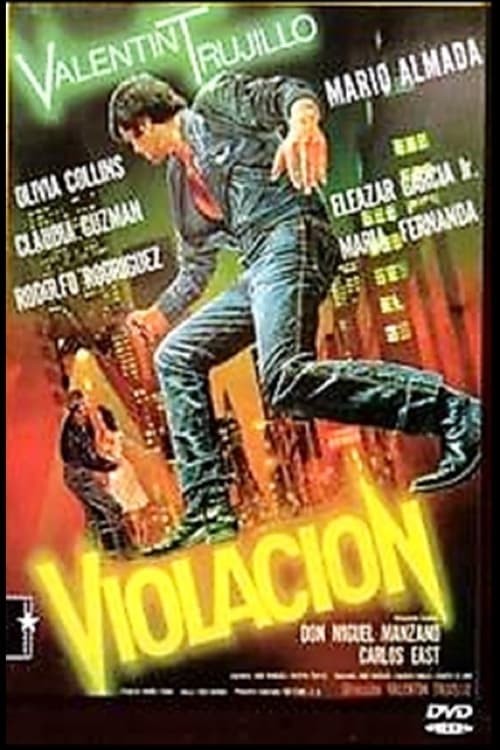
W.A.R.: Women Against Rape
1987
No user ratings available yet
Representation score: 2.7 out of 10
Representation Score
Good
1989
Director
María Luisa Alcalá, Valentín Trujillo
Runtime
90 minutes
Average Rating
No ratings yetNew Showbiz Analysis
Violación is a work of social realism that prioritizes sociopolitical commentary over genre escapism. By centering on the systemic violence women face in Mexico City, the film challenges traditional hierarchies and institutional power. The narrative succeeds in subverting conventional cinematic clichés by focusing on the friction between individual power and oppressive social structures. It moves away from idealized portrayals of the state to examine real-world legal failures. However, the film's scope is narrow, focusing heavily on gendered injustice. While it offers a strong critique of patriarchal systems, it lacks visible representation for LGBTQ+ identities or specific disability narratives.
Category Breakdown
The film focuses primarily on systemic violence against women in Mexico City. There is no explicit evidence of LGBTQ+ character arcs or non-straight relationships within the narrative.
The story centers on the female experience within a patriarchal framework. It disrupts depictions of female passivity by highlighting the struggle to find justice against institutional failure.
This is a localized exploration of Mexican social dynamics. It provides a nuanced look at identity by focusing on the specific socioeconomic realities of Mexico City.
The film engages critically with traditional institutions. It frames legal and social structures as obstacles to justice rather than protectors, prioritizing the lived reality of the underrepresented.
While the film addresses profound physical and psychological trauma, there is no evidence regarding whether specific disabilities are portrayed with real power.
Present on Screen
Limited or Absent
Official Synopsis
In Mexico City, a woman is raped every 9 minutes. This film details some of the legal and social problems in the country and how it's often difficult for women to find justice. Awarded Best Film by Mexican Cinema Journalists and nominated for three Ariel Awards.
1987

2010
2015
1988
2019

2016
2001
2015
No reviews yet. Be the first to share your thoughts on this movie!
Use the rating form above to leave a star rating and optional review.