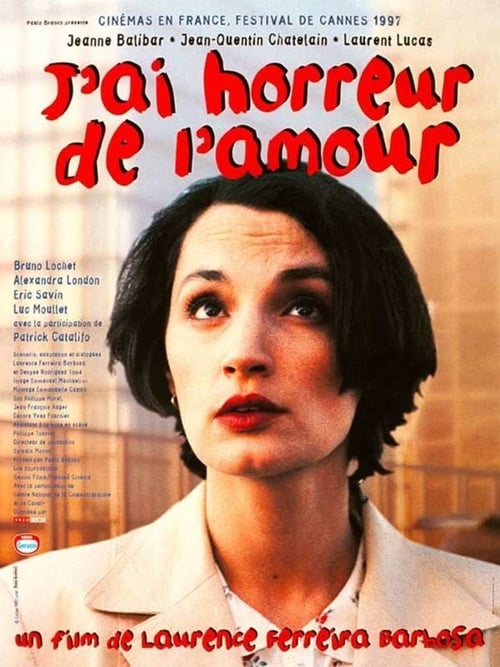
I Hate Love
1997
No user ratings available yet
Representation score: 6.5 out of 10

Representation Score
Fair
1998
UnratedDirector
Olivier Ducastel, Jacques Martineau
Runtime
93 minutes
Average Rating
No ratings yetNew Showbiz Analysis
Jeanne and the Perfect Guy offers a somber, character-driven look at how a systemic health crisis can dismantle a romantic connection. By centering the narrative on the impact of an HIV/AIDS diagnosis, the film avoids typical romantic clichés in favor of a more grounded exploration of identity and loss. While the film provides a meaningful look at disability and the emotional fallout of chronic illness, it lacks broader multi-layered depth. The representation is specialized, focusing heavily on the consequences of a single condition rather than a wide spectrum of identities. Ultimately, the film challenges idealized notions of stability, though it remains somewhat constrained by traditional gender dynamics and a narrow scope of representation.
Category Breakdown
The film uses the HIV/AIDS crisis to challenge traditional romantic clichés. It focuses on the complex realities of illness and identity rather than idealized love.
Jeanne is shown taking a leading role as she deals with emotional betrayal and romantic pursuit. However, the power dynamics remain somewhat traditional, centered around the male lead's emotional stability.
There is insufficient information available to evaluate the racial composition of the cast or the presence of diverse ethnic casting.
The narrative critiques traditional romantic institutions by focusing on a systemic health crisis. It offers a somber, realistic portrayal of life rather than a celebratory view of family.
Chronic illness is a central element used to explore the complexities of intimacy. The character of Olivier maintains ability to act through his decision to withdraw from the relationship.
Present on Screen
Limited or Absent
Official Synopsis
Jeanne, a receptionist at a travel agency, is looking for the love of her life. She thinks she has finally found it with Olivier. However, Olivier reveals he has AIDS and disappears from her life after her profession of love and confession of infidelity.
1997

2000
1996
1992
2000
1995

2005

2007
No reviews yet. Be the first to share your thoughts on this movie!
Use the rating form above to leave a star rating and optional review.