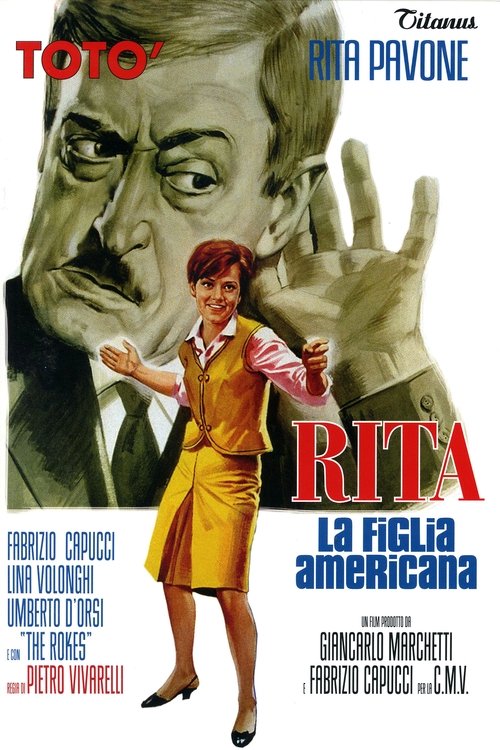
Rita the American Girl
1965
No user ratings available yet
Representation score: 3.3 out of 10
Representation Score
Limited
1965
Director
Orestis Laskos
Runtime
106 minutes
Average Rating
No ratings yetNew Showbiz Analysis
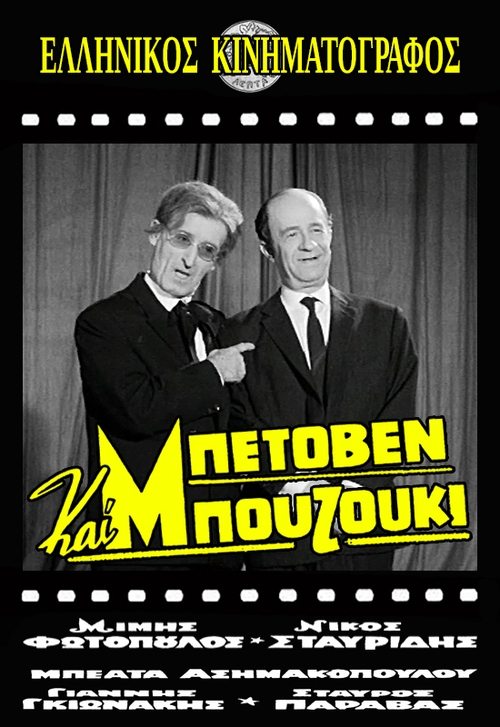
Beethoven and Bouzouki is a mid-century Greek comedy that prioritizes cultural tension over modern characters who reflect more than one aspect of diversity. The plot centers on a clash between high-art classical music and traditional folk music, providing a unique look at cultural relativism. While the film lacks diversity in terms of gender, race, and LGBTQ+ identities, it succeeds in deconstructing the perceived superiority of Western institutional music. This thematic focus offers a moderate level of progressive value for its era. Ultimately, the film functions as a traditional domestic comedy. Its strength lies in its exploration of musical 'otherness' rather than a broad spectrum of social identities.
Category Breakdown
The film does not include any explicit LGBTQ+ characters or narratives. The story focuses on a rivalry between two male neighbors, offering no visible representation of non-straight relationships.
The narrative emphasizes the roles of the two male protagonists, a classical tutor and a bouzouki player. While children serve as a catalyst for reconciliation, the story adheres to traditional mid-century comedic structures.
As a 1965 Greek production, the setting and cast appear culturally uniform. The film reflects the era's social constraints without presenting significant ethnic or racial diversity.
The story explores the tension between Western classical traditions and local folk music. It challenges musical hierarchies by placing Beethoven on equal footing with the bouzouki.
There is no evidence of physical or neurodivergent disabilities in the narrative. No specific characters are identified as having visible or invisible disabilities.
Present on Screen
Limited or Absent
Official Synopsis
A dedicated classical music tutor who keeps burning bridges with everyone in the name of art is unwilling to reconcile with his successful bouzouki player neighbour. But, can those two bury the hatchet for their children's sake?
1965

1958
1967

1970

1957
1966

1967
1963
No reviews yet. Be the first to share your thoughts on this movie!
Use the rating form above to leave a star rating and optional review.