Locos Peligrosos
1957
No user ratings available yet
Representation score: 3.0 out of 10
Representation Score
Limited
1965
Director
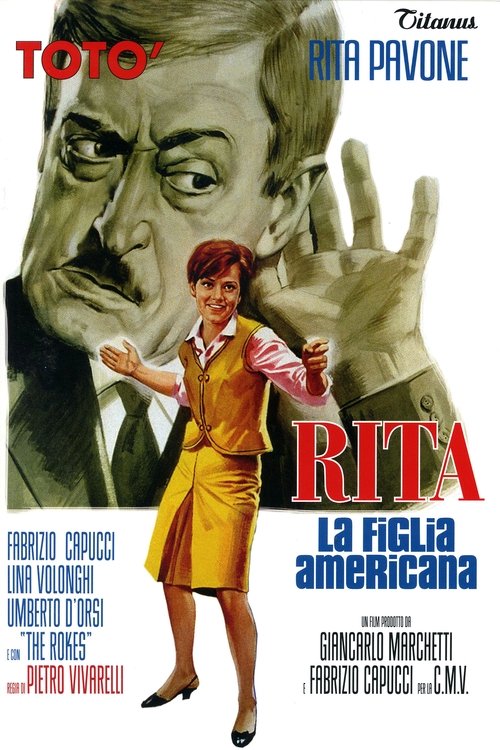
Piero Vivarelli
Runtime
91 minutes
Average Rating
No ratings yetNew Showbiz Analysis
The film captures a society in transition, highlighting the tension between 'Old World' values and 'New World' pop culture. It uses this contrast to challenge traditional hierarchies and paternal authority. While it lacks modern multi-layered complexity, it portrays the democratization of art through the lens of generational conflict. Ultimately, the narrative emphasizes socio-cultural friction over diverse identity representation, staying true to the social norms of 1965.
Category Breakdown
The film does not include explicit LGBTQ+ characters or narratives. The central romantic tension follows a traditional heterosexual relationship between Rita and a member of 'The Rockets.'
Rita asserts herself by rejecting her father's traditional standards in favor of her own musical and romantic interests. However, the story remains focused on the male protagonist's reactions.
The narrative centers on the conflict between Italian tradition and Americanized modernity. There is no indication of a multi-ethnic cast or the subversion of racial hierarchies.
The film critiques strict, high-culture academic structures by contrasting classical European traditions with the rise of Rock and Blues. This highlights a move towards a more inclusive cultural landscape.
There is no evidence of characters with visible or invisible disabilities within the film.
Present on Screen
Limited or Absent
Official Synopsis
Professor Serafino Benvenuti is a master of classical music who has the passion of the orchestra director. However, the young audience of the 60 does not appreciate classical composers like Mozart or Beethoven, and so Serafino is likely to have compromised his image as a director. One day Serafino receives the news that his adopted daughter Rita is about to return to Italy from America, where she is studying. Serafino is very happy, because at least he can teach her the real music. However, Rita is deeply grown and changed: she follows the musical patterns of her time: the rock music and blues. Serafino gets very angry, especially when he discovers that his daughter falls in love with a young man, a member of a band called "The Rockets.
1957

1979
1965
1958
1957
1962
1961
1973
No reviews yet. Be the first to share your thoughts on this movie!
Use the rating form above to leave a star rating and optional review.