Stars & Bars
1988
No user ratings available yet
Representation score: 3.3 out of 10
Representation Score
Limited
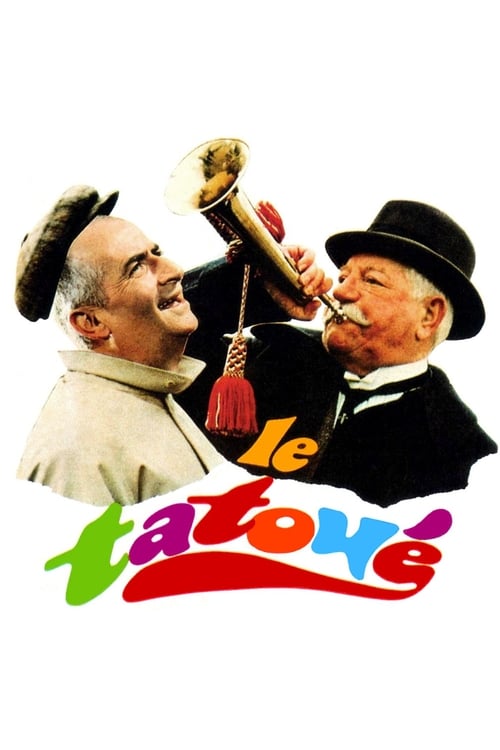
1968
Director
Denys de La Patellière
Runtime
90 minutes
Average Rating
No ratings yetNew Showbiz Analysis
The Tattoo is a traditional production that upholds the social norms of 1960s French cinema. It lacks the intention to challenge conventional hierarchies or provide diverse representation. The film relies on standard romantic clichés and straight-centered structures. Its focus on a specific social context results in a homogeneous demographic that lacks racial or ethnic diversity. Ultimately, the narrative emphasizes psychological tension and commercial comedy over progressive or subversive themes. It offers limited perspectives on diverse issues or systemic critiques.
Category Breakdown
The film focuses on traditional romantic tension between a male lead and a female character, following the heterosexual norms of the late 1960s. It does not depict any same-sex relationships or intimacy.
Gender roles follow well-established romantic conventions of the time. Women do not have prominent roles that challenge traditional male leadership or assert their independence.
The production maintains a homogeneous cast reflecting the demographics of the era. There are no characters from diverse racial or ethnic backgrounds.
The story operates within traditional moral frameworks without questioning them. It does not address secular themes or offer a critical look at Western institutions or authority.
There is no evidence of characters with visible or invisible disabilities. The narrative focus remains strictly on central romantic and psychological conflicts.
Present on Screen
Limited or Absent
Official Synopsis
An art dealer wants to buy a Modigliani, which is tattooed on the back of an old soldier.
1988
1965
1962
1991
1998
1971
1968
1983
No reviews yet. Be the first to share your thoughts on this movie!
Use the rating form above to leave a star rating and optional review.