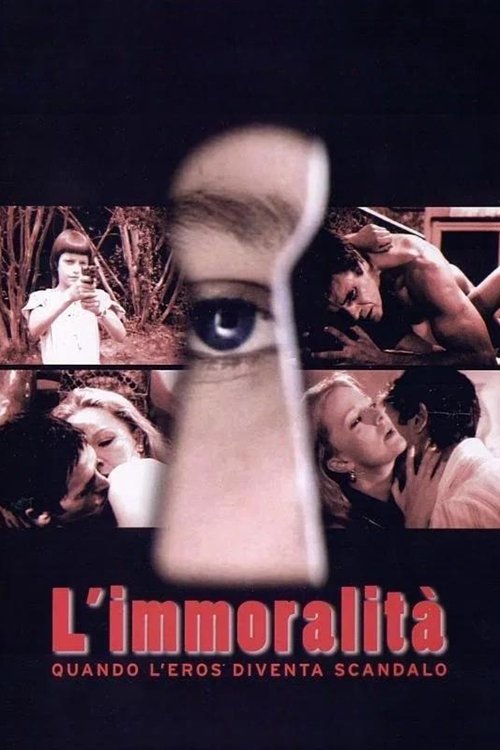
L'immoralità
1978
No user ratings available yet
Representation score: 6.2 out of 10
Representation Score
Fair
1974
Director
Luigi Russo
Runtime
90 minutes
Average Rating
No ratings yetNew Showbiz Analysis
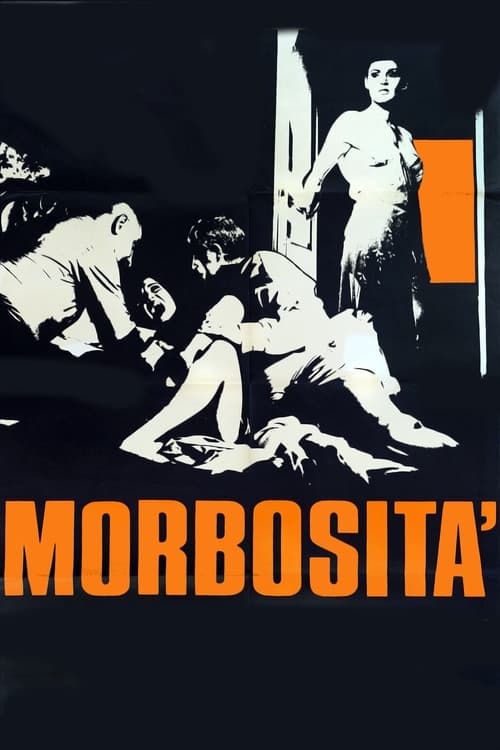
Morbosità is a character-driven drama that finds its strength in subverting traditional gender power dynamics. The film moves beyond simple victimhood narratives, especially through Anna's refusal to submit to patriarchal abuse. However, the narrative remains focused primarily on gender issues, lacking visible LGBTQ+ representation and information about racial or ethnic diversity. This limits the film's broader social commentary. Ultimately, the film serves as a critique of systemic corruption and the transactional nature of social influence, using female resistance as its main thematic engine.
Category Breakdown
The film does not show any explicit representations of LGBTQ+ identities or same-sex intimacy. While sexual transactions play a key role in the plot, there are no characters coded as queer.
The narrative emphasizes the active roles of female characters by challenging traditional stereotypes. Giulia uses sexual labor strategically, while Anna actively fights back against patriarchal abuse to regain her independence.
There is no information regarding the racial or ethnic composition of the cast. The setting and character backgrounds remain unspecified.
The story critiques institutional corruption and social hierarchies. It examines how power is maintained through exploitative, transactional relationships among influential figures.
The synopsis does not mention any characters dealing with physical, neurodivergent, or mental health conditions.
Present on Screen
Limited or Absent
Official Synopsis
Giulia love her young lover, an architect, that she'll do sexual favors for influential people to help him. Anna, the younger sister, returns from college and is abused by the architect. But she will not allow things to stay that way.
1978
1974
1974
1969

1970

1974
1974

1972
No reviews yet. Be the first to share your thoughts on this movie!
Use the rating form above to leave a star rating and optional review.