Last Address
2010
No user ratings available yet
Representation score: 9.2 out of 10
Representation Score
Good
2017
TV-MADirector
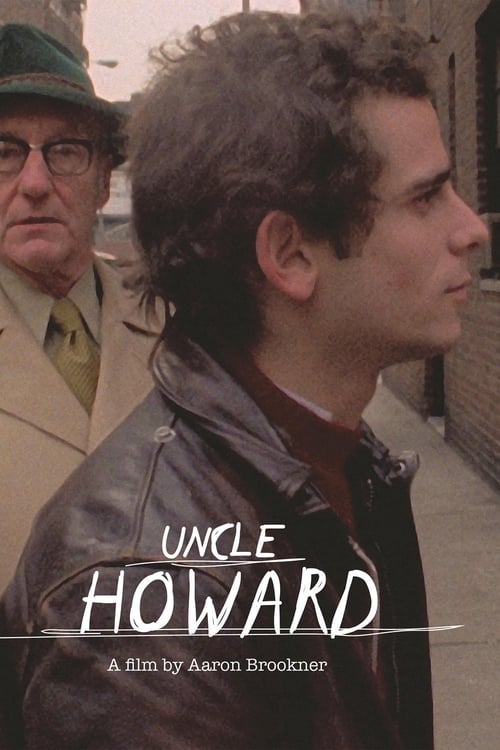
Aaron Brookner
Runtime
96 minutes
Average Rating
No ratings yetNew Showbiz Analysis
Uncle Howard is a sophisticated archival documentary that finds its strength in the thematic commitment to the outsider perspective. It successfully documents a transformative era of American cultural history through a personal, meta-documentary lens. However, the film remains limited by its narrow biographical focus. The narrative is heavily centered on male intellectualism and specific social circles, which restricts the breadth of its demographic representation. Ultimately, the work functions as a bridge to a specific historical moment, using the preservation of lost media to explore the intersection of art, identity, and systemic health crises.
Category Breakdown
The film connects to the history of the AIDS crisis through the legacy of Howard Brookner. It serves as a bridge to queer history, emphasizing art preservation over explicit depictions of intimacy.
The narrative focuses on the relationship between two men and centers on masculine intellectualism and the psychological isolation of its male subjects.
The documentary captures the multicultural, creative landscape of 1970s and 80s New York City. However, it reflects specific social circles rather than prioritizing a non-Anglo-Saxon majority.
The film celebrates the 'outsider' status and counter-cultural art over traditional Western institutions. It centers on figures like William S. Burroughs who challenge social norms.
Themes of chronic illness and psychological instability are explored who play a significant role in driving the story. The film examines how health struggles and personal vulnerability shape a creative legacy.
Present on Screen
Limited or Absent
Official Synopsis
When Howard Brookner lost his life to AIDS in 1989, the 35-year-old director had completed two feature documentaries and was in post-production on his narrative debut, Bloodhounds of Broadway. Twenty-five years later, his nephew, Aaron, sets out on a quest to find the lost negative of Burroughs: The Movie, his uncle's critically-acclaimed portrait of legendary author William S. Burroughs. When Aaron uncovers Howard's extensive archive in Burroughs’ bunker, it not only revives the film for a new generation, but also opens a vibrant window on New York City’s creative culture from the 1970s and ‘80s, and inspires a wide-ranging exploration of his beloved uncle's legacy.
2010

2017
2016
2014
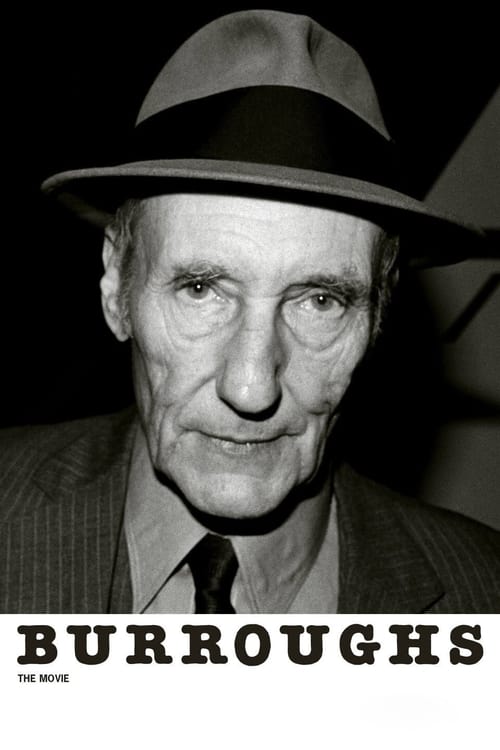
1984
2022

2009
2021
No reviews yet. Be the first to share your thoughts on this movie!
Use the rating form above to leave a star rating and optional review.