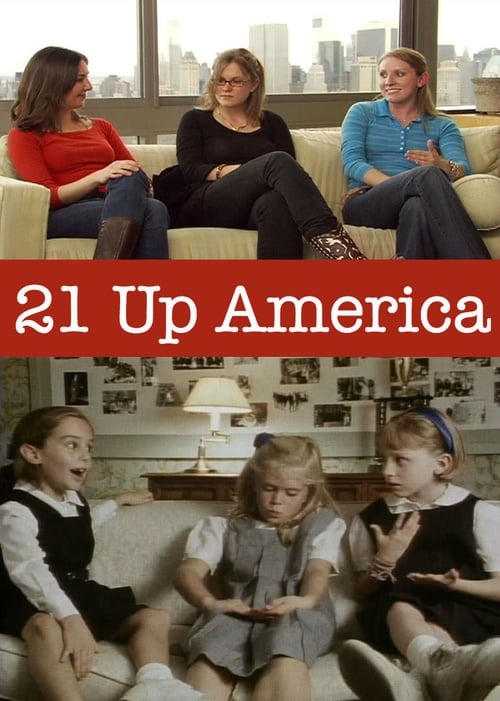
21 Up America
2006
No user ratings available yet
Representation score: 5.9 out of 10

Representation Score
Fair
1998
Director
Phil Joanou
Runtime
90 minutes
Average Rating
No ratings yetNew Showbiz Analysis
14 Up in America acts as a sociological time capsule, capturing a diverse group of youths through a longitudinal lens. Its primary value lies in the observational documentation of a multi-ethnic cohort as they grow from childhood to adolescence. While the film successfully presents a diverse group, it lacks a progressive agenda. It observes social hierarchies and identities as they naturally exist in the late 1990s without attempting to dismantle or critique them. Ultimately, the documentary offers meaningful inclusion through its subject matter but fails to address LGBTQ+ identities, disability, or systemic social issues.
Category Breakdown
The film does not explicitly represent LGBTQ+ identities or include non-straight narratives. It focuses on the conventional social milestones of the era without challenging straight-centered norms.
The documentary captures natural social hierarchies and romantic interests between boys and girls. It reflects standard 1990s suburban gender expectations without actively subverting traditional roles.
A multi-ethnic group provides a nuanced view of how different identities intersect with the American experience. However, these identities are observed within existing contexts rather than used for systemic critique.
The film presents a portrait of middle-class American life and Western social institutions. It maintains an observational stance without prioritizing religious critique or secular themes.
There is no significant representation of neurodivergence or physical disabilities. Subjects are depicted within the bounds of typical adolescent development without disability-related themes.
Present on Screen
Limited or Absent
Official Synopsis
US adaption of a classic UK documentary series called "Up". Part 1, made in 1991, followed a group of economically, racially and socially diverse 7-year-olds growing up in the early 90s America. They are now 14.
2006

2010

1991

2020
1977

2018
2006

2002
No reviews yet. Be the first to share your thoughts on this movie!
Use the rating form above to leave a star rating and optional review.