Bizarre
1970
No user ratings available yet
Representation score: 3.9 out of 10
Representation Score
Fair
1970
Director
Franco Brocani
Runtime
116 minutes
Average Rating
No ratings yetNew Showbiz Analysis
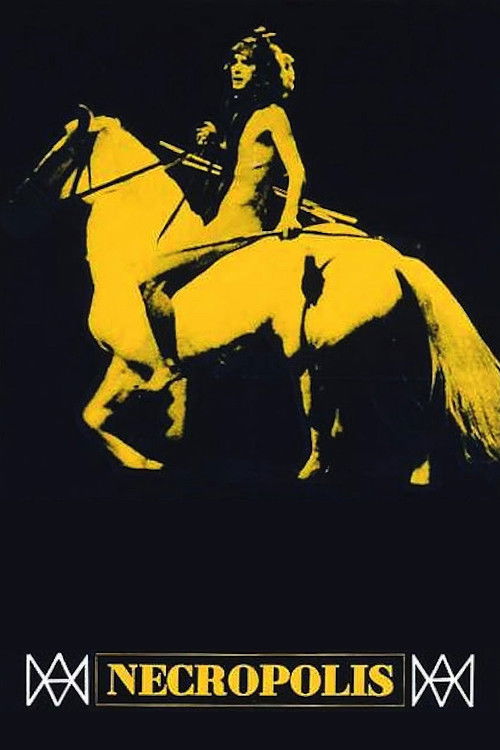
Necropolis weaves together various genre elements, focusing more on style than broad representation. It successfully challenges traditional female stereotypes but lacks depth in diverse representation. The film excels in exploring individualistic existential themes through historical and mythological stories. However, it primarily centers on well-known Western archetypes, limiting its diversity. Overall, the work leans more towards character-focused narratives rather than a concerted effort towards inclusive representation, resulting in a score reflecting its episodic and genre-driven structure.
Category Breakdown
The film does not explicitly depict non-straight relationships or non-cisgender identities. The story focuses on traditional character types rather than hinting at queer themes.
Viva's journey from household frustrations to becoming the powerful Bloody Countess showcases female empowerment. This transformation challenges the stereotype of passive women.
The inclusion of Attila brings in non-Western historical figures, although the depth of these roles is not fully explored. An American tourist suggests a Western perspective is still prominent.
The film delves into moral ambiguity and existential questions through characters like Frankenstein's monster. It emphasizes personal character studies over traditional religious or cultural norms.
While the Frankenstein character involves physical differences, it is unclear if these are portrayed with true ability to act. There are no specific details about neurodivergence or disabilities.
Present on Screen
Limited or Absent
Official Synopsis
Frankenstein's monster gropes towards the awareness that his mind is a universe; Attila, naked on a white horse, liberates his people from their ignominy; the ultra-caustic Viva bemoans the frustrations of married life and drifts into the elegiac persona of the Bloody Countess Bathory; Louis Waldon is a hip American tourist searching for the (missing) Mona Lisa.
1970
1969
1970
1967
1954
1979
2002
1973
No reviews yet. Be the first to share your thoughts on this movie!
Use the rating form above to leave a star rating and optional review.