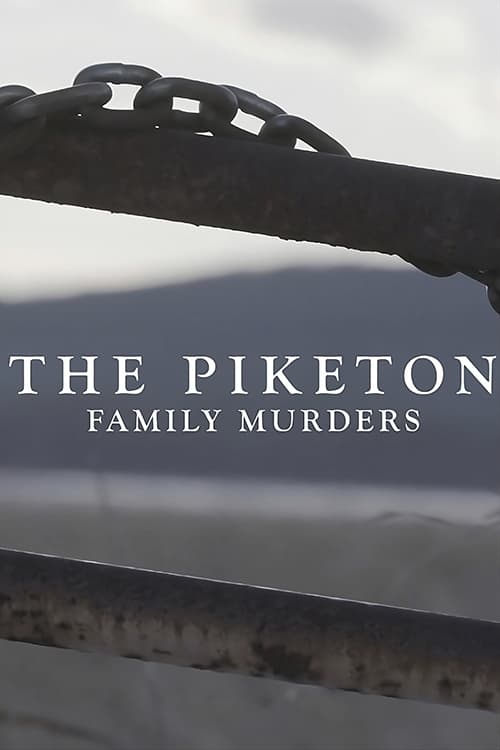
The Piketon Family Murders
2019
No user ratings available yet
Representation score: 1.2 out of 10

Representation Score
Minimal
2018
TV-14Director
Joe Berlinger
Runtime
168 minutes
Average Rating
No ratings yetNew Showbiz Analysis
Joe Berlinger’s documentary prioritizes historical reconstruction and psychological profiling over social commentary. By focusing on the 1970s Holcomb, Kansas, the film mirrors the demographic and social homogeneity of that specific time and place. The production operates within a conservative framework, reinforcing traditional gender hierarchies and religious institutions. It does not attempt to challenge broader power dynamics or introduce more progressive narrative structures. While the film delves into psychological pathology, it uses mental health primarily to explain criminal behavior. This results in a work that reflects historical reality without offering more diverse or perspectives that reflect multiple aspects of identity.
Category Breakdown
The documentary does not include any LGBTQ+ characters or non-binary identities. It focuses solely on the historical context of a 1970s rural Kansas community.
The film portrays a traditional patriarchal family structure common during that time. It highlights the roles of the father as a provider and the mother within the home.
The subject matter centers on a homogeneous, white, rural American community. There is no diverse casting or varied character arcs present in this reconstruction.
The narrative depicts a community grounded in middle-class stability and Christian traditions. It examines the tragedy through the lens of established social and religious orders.
The film explores mental health and psychological instability through the perpetrators. It functions as a clinical study of deviance rather than a nuanced portrayal of lived disability.
Present on Screen
Limited or Absent
Official Synopsis
The film festival cut of mini-series Cold Blooded: The Clutter Family Murders, a highly detailed reconstruction of the infamous Clutter family murders, which inspired Truman Capote’s bestseller In Cold Blood, directed by Oscar nominee Joe Berlinger.
2019
1996
2021
2015
2022
2012
2013
2000
No reviews yet. Be the first to share your thoughts on this movie!
Use the rating form above to leave a star rating and optional review.